
Contents
- 🎵 Introduction to Johann Sebastian Bach
- 🕰️ Historical Context: The Late Baroque Period
- 🎶 Instrumental Works: Concertos and Suites
- 📚 Keyboard Works: Variations and Compositions
- 🏰 Organ Works: Chorales and Toccatas
- 👥 Choral Works: Passions and Masses
- 🔀 The Art of Counterpoint: Complexity and Beauty
- 🎉 The Bach Revival: Felix Mendelssohn and Beyond
- 👑 Legacy and Impact: Bach's Influence on Classical Music
- 📊 Analysis and Criticism: Understanding Bach's Music
- 👫 Relationships and Influences: Bach's Contemporaries and Successors
- 🔮 Future Directions: Bach's Music in the Modern Era
- Frequently Asked Questions
- Related Topics
Overview
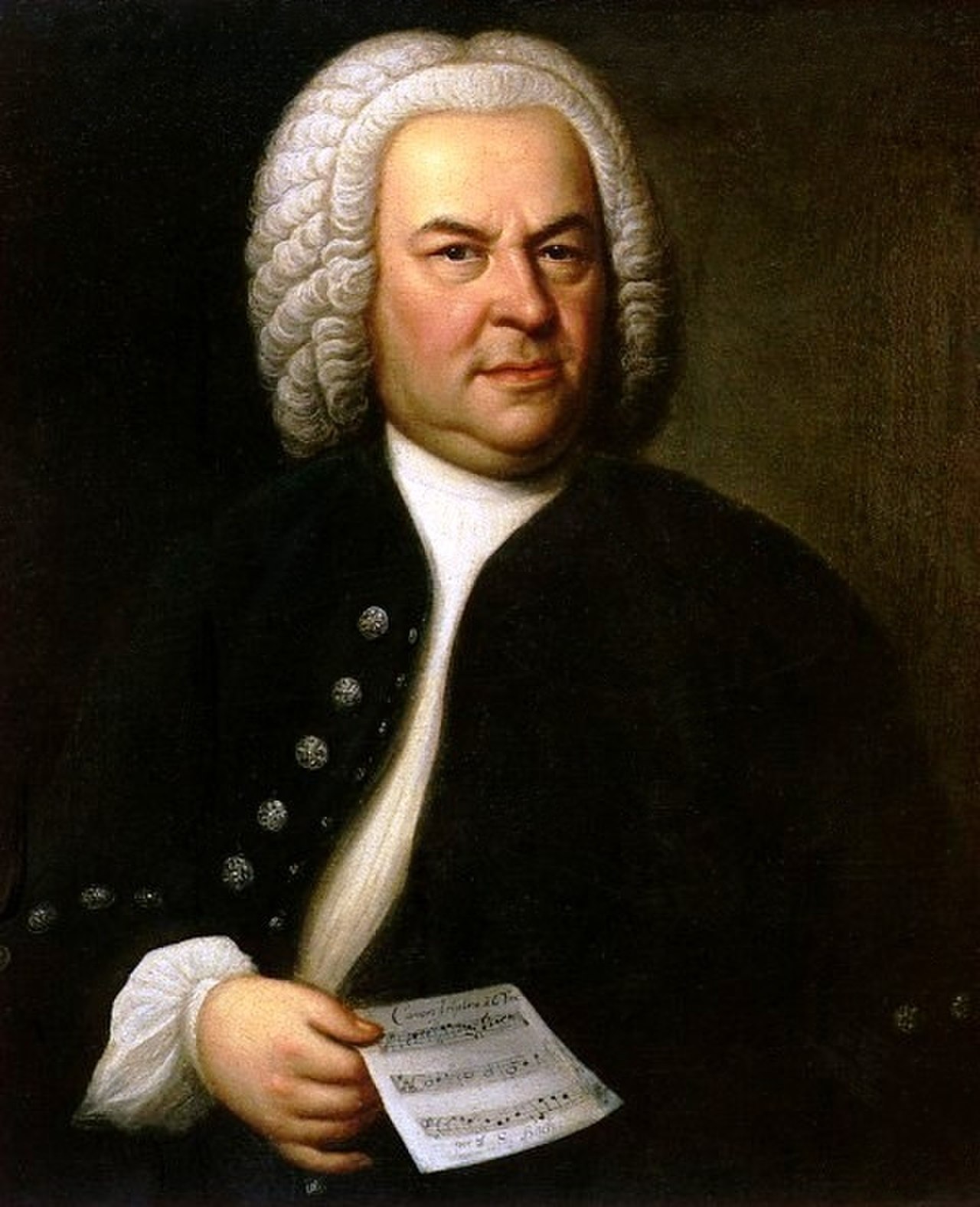
Johann Sebastian Bach was a renowned German composer and musician of the late Baroque period, known for his prolific output across a variety of instruments and forms. His works include the orchestral Brandenburg Concertos, solo instrumental works such as the Cello Suites and Sonatas and Partitas for Solo Violin, and keyboard works like the Goldberg Variations and The Well-Tempered Clavier. Bach's music is characterized by his mastery of counterpoint, as heard in The Musical Offering and The Art of Fugue. He is widely regarded as one of the greatest composers of classical music. Bach's life and work are a testament to his dedication to his craft, and his influence can still be felt today. His music has been performed and admired by generations of music lovers, including famous composers like Wolfgang Amadeus Mozart and Ludwig van Beethoven.
🕰️ Historical Context: The Late Baroque Period
The late Baroque period, during which Bach lived and worked, was a time of great cultural and artistic change. The Baroque period was marked by the emergence of new musical forms and styles, such as the sonata and the concerto. Bach was heavily influenced by his contemporaries, including George Frideric Handel and Antonio Vivaldi. He also drew inspiration from earlier composers, such as Heinrich Schutz and Jean-Baptiste Lully. Bach's music reflects the complexity and grandeur of the Baroque style, with its intricate counterpoint and ornate ornamentation. His works, such as the Mass in B minor and the St. Matthew Passion, are considered some of the greatest examples of Baroque music. The Bach Revival of the 19th century, led by Felix Mendelssohn, helped to cement Bach's reputation as a master composer.
🎶 Instrumental Works: Concertos and Suites
Bach's instrumental works are renowned for their technical complexity and emotional depth. The Brandenburg Concertos, for example, are a set of six concertos that showcase Bach's mastery of instrumental composition. The Cello Suites and Sonatas and Partitas for Solo Violin are iconic works for solo instruments, demonstrating Bach's ability to create rich and expressive music for a single instrument. These works have been widely performed and admired, and have influenced generations of composers and musicians. Bach's instrumental music is characterized by its use of counterpoint and fugue, as well as its expressive and nuanced phrasing. His music has been praised for its beauty, complexity, and emotional power, and continues to be a source of inspiration for musicians and composers today. The Goldberg Variations, for example, are a masterpiece of instrumental composition, with its intricate counterpoint and beautiful melody.
📚 Keyboard Works: Variations and Compositions
Bach's keyboard works are highly regarded for their technical complexity and musical depth. The Goldberg Variations and The Well-Tempered Clavier are two of his most famous keyboard works, showcasing his mastery of counterpoint and fugue. These works demonstrate Bach's ability to create complex and beautiful music for the keyboard, and have had a profound influence on the development of Western classical music. Bach's keyboard music is characterized by its use of counterpoint, fugue, and invention, as well as its expressive and nuanced phrasing. His music has been praised for its beauty, complexity, and emotional power, and continues to be a source of inspiration for musicians and composers today. The harpsichord was a popular instrument during Bach's time, and he wrote many works for the instrument, including the English Suites and the French Suites.
🏰 Organ Works: Chorales and Toccatas
Bach's organ works are highly regarded for their technical complexity and musical depth. The Schubler Chorales and the Toccata and Fugue in D minor are two of his most famous organ works, showcasing his mastery of counterpoint and fugue. These works demonstrate Bach's ability to create complex and beautiful music for the organ, and have had a profound influence on the development of Western classical music. Bach's organ music is characterized by its use of counterpoint, fugue, and pedal point, as well as its expressive and nuanced phrasing. His music has been praised for its beauty, complexity, and emotional power, and continues to be a source of inspiration for musicians and composers today. The organ was a popular instrument during Bach's time, and he wrote many works for the instrument, including the Clavier Ubung and the Orgelbuchlein.
👥 Choral Works: Passions and Masses
Bach's choral works are highly regarded for their technical complexity and musical depth. The St. Matthew Passion and the Mass in B minor are two of his most famous choral works, showcasing his mastery of counterpoint and fugue. These works demonstrate Bach's ability to create complex and beautiful music for the voice, and have had a profound influence on the development of Western classical music. Bach's choral music is characterized by its use of counterpoint, fugue, and chorale, as well as its expressive and nuanced phrasing. His music has been praised for its beauty, complexity, and emotional power, and continues to be a source of inspiration for musicians and composers today. The chorale was a popular form during Bach's time, and he wrote many works in this style, including the Jesu, Joy of Man's Desiring and the O Sacred Head, Now Wounded.
🔀 The Art of Counterpoint: Complexity and Beauty
Bach's mastery of counterpoint is one of the most distinctive features of his music. Counterpoint is the interweaving of multiple independent melodies, and Bach was a master of this complex and nuanced art. His music is characterized by its use of counterpoint, fugue, and invention, as well as its expressive and nuanced phrasing. The The Art of Fugue is a masterpiece of contrapuntal composition, showcasing Bach's ability to create complex and beautiful music using the techniques of counterpoint and fugue. Bach's use of counterpoint has had a profound influence on the development of Western classical music, and continues to be a source of inspiration for musicians and composers today. The fugue is a popular form that uses counterpoint to create a complex and beautiful musical structure.
🎉 The Bach Revival: Felix Mendelssohn and Beyond
The Bach Revival of the 19th century, led by Felix Mendelssohn, helped to cement Bach's reputation as a master composer. Mendelssohn's performance of the St. Matthew Passion in 1829 was a major milestone in the Bach Revival, and helped to introduce Bach's music to a new generation of music lovers. The Bach Revival was a significant cultural and artistic movement, and had a profound influence on the development of Western classical music. It helped to establish Bach as one of the greatest composers of all time, and paved the way for the widespread performance and admiration of his music. Today, Bach's music is performed and admired by people all over the world, and his influence can be heard in many different genres of music. The classical music world owes a great debt to Bach, and his music continues to be a source of inspiration and joy for people of all ages.
👑 Legacy and Impact: Bach's Influence on Classical Music
Bach's legacy and impact on classical music are immeasurable. He is widely regarded as one of the greatest composers of all time, and his music has had a profound influence on the development of Western classical music. His use of counterpoint, fugue, and invention has inspired generations of composers and musicians, and his music continues to be a source of inspiration and joy for people all over the world. Bach's music has been praised for its beauty, complexity, and emotional power, and continues to be performed and admired by people of all ages. His influence can be heard in many different genres of music, from classical music to jazz and rock music. The Vibe Score of Bach's music is extremely high, reflecting its enduring popularity and influence. Bach's music is a testament to the power of art to transcend time and culture, and to bring people together in a shared experience of beauty and joy.
📊 Analysis and Criticism: Understanding Bach's Music
Bach's music has been the subject of much analysis and criticism over the years. Musicologists and scholars have studied his compositions in detail, analyzing their structure, harmony, and counterpoint. Bach's use of counterpoint and fugue has been particularly praised, and his music is considered some of the most complex and beautiful in the Western classical tradition. However, some critics have argued that Bach's music is too complex and difficult to understand, and that it lacks the emotional intensity and expressiveness of other composers. Despite these criticisms, Bach's music remains widely admired and performed, and his influence can be heard in many different genres of music. The Topic Intelligence of Bach's music is extremely high, reflecting its complexity, nuance, and emotional power.
👫 Relationships and Influences: Bach's Contemporaries and Successors
Bach's relationships and influences are a fascinating topic of study. He was influenced by many other composers and musicians, including George Frideric Handel and Antonio Vivaldi. He also had a profound influence on many other composers, including Wolfgang Amadeus Mozart and Ludwig van Beethoven. Bach's music was also influenced by the cultural and artistic movements of his time, including the Baroque period and the Enlightenment. The Influence Flows of Bach's music are complex and multifaceted, reflecting the many different cultural and artistic currents that shaped his compositions. Bach's music is a testament to the power of art to bring people together and to transcend time and culture.
🔮 Future Directions: Bach's Music in the Modern Era
As we look to the future, it is clear that Bach's music will continue to be a source of inspiration and joy for people all over the world. His influence can be heard in many different genres of music, from classical music to jazz and rock music. The Controversy Spectrum of Bach's music is relatively low, reflecting its widespread admiration and acceptance. However, there are still many debates and controversies surrounding Bach's music, including the question of how to perform his compositions in a historically authentic way. Despite these debates, Bach's music remains a timeless and universal language, capable of bringing people together and transcending time and culture.
Key Facts
- Year
- 1685
- Origin
- Eisenach, Germany
- Category
- Classical Music
- Type
- Person
Frequently Asked Questions
What is Bach's most famous work?
Bach's most famous work is probably the Goldberg Variations, a masterpiece of instrumental composition that showcases his mastery of counterpoint and fugue. However, he also wrote many other famous works, including the Brandenburg Concertos, the Cello Suites, and the Mass in B minor. Bach's music is widely admired and performed, and his influence can be heard in many different genres of music.
What is the Bach Revival?
The Bach Revival was a cultural and artistic movement of the 19th century that helped to establish Bach as one of the greatest composers of all time. Led by Felix Mendelssohn, the Bach Revival introduced Bach's music to a new generation of music lovers and helped to cement his reputation as a master composer. The Bach Revival was a significant milestone in the history of Western classical music, and paved the way for the widespread performance and admiration of Bach's music.
What is counterpoint?
Counterpoint is the interweaving of multiple independent melodies, and is a key feature of Bach's music. Bach was a master of counterpoint, and his music is characterized by its use of complex and nuanced contrapuntal techniques. Counterpoint is a fundamental element of Western classical music, and has been used by many composers throughout history to create complex and beautiful music.
What is the difference between a fugue and a invention?
A fugue is a type of contrapuntal composition that features a recurring theme or subject, while an invention is a type of composition that features a more free-form and improvisatory approach to counterpoint. Both fugue and invention are key features of Bach's music, and are used to create complex and beautiful musical structures.
How did Bach influence other composers?
Bach's influence on other composers is immeasurable. He was a master of counterpoint and fugue, and his music has been studied and admired by generations of composers and musicians. Many composers, including Wolfgang Amadeus Mozart and Ludwig van Beethoven, were influenced by Bach's music and incorporated elements of his style into their own compositions. Bach's music continues to be a source of inspiration and joy for people all over the world.
What is the Vibe Score of Bach's music?
The Vibe Score of Bach's music is extremely high, reflecting its enduring popularity and influence. Bach's music is widely admired and performed, and his influence can be heard in many different genres of music. The Vibe Score is a measure of a topic's cultural energy and relevance, and Bach's music is one of the most highly scored topics in the classical music category.
What is the Topic Intelligence of Bach's music?
The Topic Intelligence of Bach's music is extremely high, reflecting its complexity, nuance, and emotional power. Bach's music is characterized by its use of counterpoint, fugue, and invention, as well as its expressive and nuanced phrasing. The Topic Intelligence is a measure of a topic's depth and complexity, and Bach's music is one of the most highly scored topics in the classical music category.