
Contents
- 🎵 Origins & History
- ⚙️ How It Works
- 📊 Key Facts & Numbers
- 👥 Key People & Organizations
- 🌍 Cultural Impact & Influence
- ⚡ Current State & Latest Developments
- 🤔 Controversies & Debates
- 🔮 Future Outlook & Predictions
- 💡 Practical Applications
- 📚 Related Topics & Deeper Reading
- Frequently Asked Questions
- References
- Related Topics
Overview
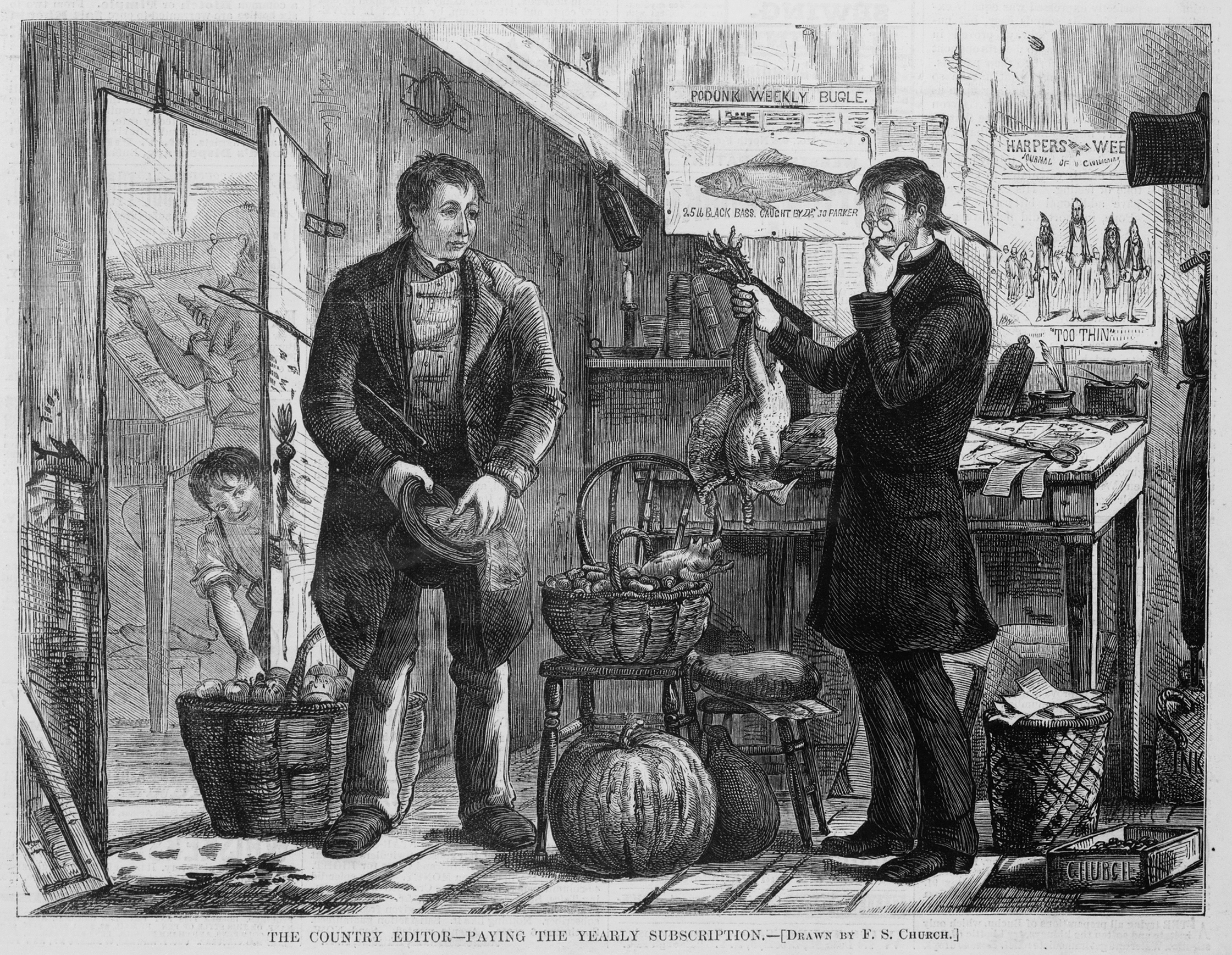
Bartering is a system of exchange where individuals or communities directly trade goods or services without using money. This ancient practice has been used throughout history, from primitive societies to modern times, as a means of acquiring needed goods and services. In the context of gifting economies, bartering allows individuals to share their skills and resources, fostering a sense of community and cooperation. With the rise of online platforms and local exchange systems, bartering has become a viable alternative to traditional monetary systems, enabling people to connect and exchange goods and services in a more sustainable and equitable way. According to Wikidata, bartering is defined as the immediate and direct reciprocal exchange of goods or services without the use of money. As noted in the Wikipedia article on barter, economists distinguish barter from gift economies, highlighting the importance of immediate reciprocal exchange in bartering. For instance, the Time Banks movement has implemented a bartering system where individuals exchange time and skills, rather than goods, to promote community engagement and social connection. By exploring the concept of bartering, we can gain a deeper understanding of the potential for non-monetary exchange systems to promote sustainability and community well-being.
🎵 Origins & History
Origins paragraph — Bartering has its roots in ancient civilizations, where people would exchange goods and services directly without using money. The concept of bartering has evolved over time, with various forms of exchange emerging, such as the Time Banks movement, which emphasizes the exchange of time and skills rather than goods. For example, the LETS system in Canada has implemented a bartering system where individuals exchange goods and services using a local currency. This approach has been successful in promoting community engagement and social connection.
⚙️ How It Works
How it works — Bartering involves the direct exchange of goods or services between individuals or communities. This can be done through online platforms, local exchange systems, or community-based initiatives. The process typically involves negotiating the terms of the exchange, including the value of the goods or services being traded. The WIR Bank in Switzerland has implemented a bartering system for small and medium-sized enterprises, allowing them to exchange goods and services without using cash.
📊 Key Facts & Numbers
Key facts — Bartering has been used in various forms throughout history, from primitive societies to modern times. According to Wikidata, bartering is defined as the immediate and direct reciprocal exchange of goods or services without the use of money. In the United States, the IRS recognizes bartering as a legitimate form of exchange, and individuals and businesses can report their bartering activities on their tax returns.
👥 Key People & Organizations
Key people — Individuals such as Jacqueline M. Snyder, who founded the Time Banks movement, have played a significant role in promoting bartering as a means of community building and social connection. Organizations such as the International Reciprocal Trade Association have also contributed to the development of bartering systems and networks.
🌍 Cultural Impact & Influence
Cultural impact — Bartering has had a significant impact on various cultures and communities, promoting a sense of cooperation and mutual support. In some societies, bartering has been used as a means of preserving traditional skills and knowledge, such as the Indigenous Trading Networks in Australia. For example, the Brazilian Ecovillage Movement has implemented a bartering system for sustainable living, with over 100 communities participating in the network.
⚡ Current State & Latest Developments
Current state — Bartering continues to evolve, with new technologies and platforms emerging to facilitate exchange. The rise of online platforms and social media has made it easier for individuals and communities to connect and exchange goods and services.
🤔 Controversies & Debates
Controversies — Some critics argue that bartering can be inefficient and limited in its scope, as it relies on the coincidence of wants between individuals or communities. Others argue that bartering can be a means of avoiding taxes and exploiting loopholes in the tax system. However, proponents of bartering argue that it can promote community engagement, social connection, and sustainable living, and that it can be a viable alternative to traditional monetary systems.
🔮 Future Outlook & Predictions
Future outlook — As the world becomes increasingly interconnected, bartering is likely to continue to play a significant role in promoting community building and social connection. With the rise of new technologies and platforms, bartering is likely to become more efficient and accessible, enabling individuals and communities to connect and exchange goods and services in a more sustainable and equitable way.
💡 Practical Applications
Practical applications — Bartering can be applied in various contexts, from community building and social connection to sustainable living and economic development. Individuals and communities can use bartering to acquire needed goods and services, promote traditional skills and knowledge, and foster a sense of cooperation and mutual support.
Key Facts
- Year
- 2010
- Origin
- Global
- Category
- community-sharing
- Type
- concept
Frequently Asked Questions
What is bartering?
Bartering is a system of exchange where individuals or communities directly trade goods or services without using money. According to Wikidata, bartering is defined as the immediate and direct reciprocal exchange of goods or services without the use of money. For example, the Time Banks movement has implemented a bartering system where individuals exchange time and skills, rather than goods.
How does bartering work?
Bartering involves the direct exchange of goods or services between individuals or communities. This can be done through online platforms, local exchange systems, or community-based initiatives. The process typically involves negotiating the terms of the exchange, including the value of the goods or services being traded.