
Contents
- 🎵 Origins & History
- ⚙️ How It Works
- 📊 Key Facts & Numbers
- 👥 Key People & Organizations
- 🌍 Cultural Impact & Influence
- ⚡ Current State & Latest Developments
- 🤔 Controversies & Debates
- 🔮 Future Outlook & Predictions
- 💡 Practical Applications
- 📚 Related Topics & Deeper Reading
- Frequently Asked Questions
- References
- Related Topics
Overview
The concept of gifting economies is rooted in the idea of sharing resources and skills without expectation of direct reciprocity. This approach to social organization is deeply rooted in the concept of gifting economies. By examining community sharing and generosity, we can gain insights into the benefits of sustainable practices. For instance, the Time Banks movement enables individuals to exchange time and skills rather than money. Additionally, the co-housing movement has gained popularity in recent years, as people seek to create intentional communities that prioritize shared resources and mutual support.
🎵 Origins & History
The kibbutz movement in Israel has shown that collective living and working can promote social cohesion and economic stability. Similarly, the co-housing movement has gained popularity in recent years, as people seek to create intentional communities that prioritize shared resources and mutual support.
⚙️ How It Works
In a community-focused culture, individuals are often expected to prioritize the needs of the group. This can manifest in various ways, such as shared childcare, cooperative housing, or community-based economic systems.
📊 Key Facts & Numbers
Some key facts about community sharing include the emphasis on cooperation, mutual aid, and social responsibility. The platform cooperativism movement seeks to promote cooperative ownership and decision-making in the digital economy.
👥 Key People & Organizations
The common wealth approach seeks to promote collective ownership and management of natural resources. The post-scarcity economics model aims to create a world where technology and resources are abundant and accessible to all.
🌍 Cultural Impact & Influence
Community-focused cultures have had a significant impact on society, from the development of cooperative economic systems to the creation of intentional communities. These communities often serve as models for sustainable living and social responsibility.
⚡ Current State & Latest Developments
Currently, there is a growing interest in community-based economic systems. This is reflected in the rise of cooperative housing, community land trusts, and solidarity economy initiatives.
🤔 Controversies & Debates
One of the controversies surrounding community-focused cultures is the potential for individual freedom to be compromised. However, proponents argue that the benefits of cooperation and mutual aid far outweigh the potential drawbacks.
🔮 Future Outlook & Predictions
Looking to the future, it is likely that community-focused cultures will continue to evolve and adapt to changing social and economic conditions. As we face the challenges of climate change, economic inequality, and social injustice, the principles of cooperation, mutual aid, and social responsibility will become increasingly important.
💡 Practical Applications
Practical applications of community-focused cultures can be seen in a variety of contexts, from cooperative housing and community land trusts to solidarity economy initiatives and cooperative economic systems.
Key Facts
- Year
- 2020
- Origin
- Global
- Category
- community-sharing
- Type
- concept
Frequently Asked Questions
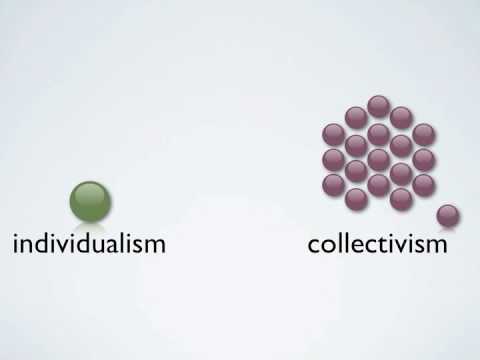
What is the difference between collectivist and individualist cultures?
Collectivist cultures prioritize the needs of the group over individual interests, while individualist cultures prioritize personal freedom and autonomy.
How do community-focused cultures approach economic decision-making?
Community-focused cultures often prioritize cooperative economic systems, where decision-making is shared among members and resources are managed collectively.
