
Contents
- 🌎 Introduction to Community Organizations
- 👥 The Process of Community Organizing
- 💪 The Role of Conflict in Social Change
- 🌈 Building Durable Power for the Community
- 📢 Developing New Local Leaders
- 🤝 Facilitating Coalitions and Campaigns
- 🏛️ The Importance of Local Democracy
- 📊 Measuring the Impact of Community Organizations
- 🚀 The Future of Community Organizing
- 🤝 Case Studies of Successful Community Organizations
- 📚 Conclusion and Recommendations
- Frequently Asked Questions
- Related Topics
Overview
Community organizations are the lifeblood of social change, with a rich history dating back to the 19th century. From the settlement movement to modern-day non-profits, these entities have been instrumental in addressing issues like poverty, education, and healthcare. However, they also face challenges such as funding constraints, bureaucratic red tape, and criticism over their effectiveness. The historian notes that community organizations have evolved significantly over time, with the rise of digital technologies and social media platforms. The skeptic questions the role of big philanthropy and the influence of corporate interests on community organizations. The fan sees the cultural resonance and emotional weight of community organizations, with a vibe score of 80. The engineer asks how community organizations can scale their impact and measure their success. The futurist wonders what the future holds for community organizations, with the rise of decentralized governance models and blockchain technology. With over 1.8 million non-profit organizations in the US alone, community organizations are a significant force for social change, with a controversy spectrum of 6/10 and an influence flow that is both local and global.
🌎 Introduction to Community Organizations
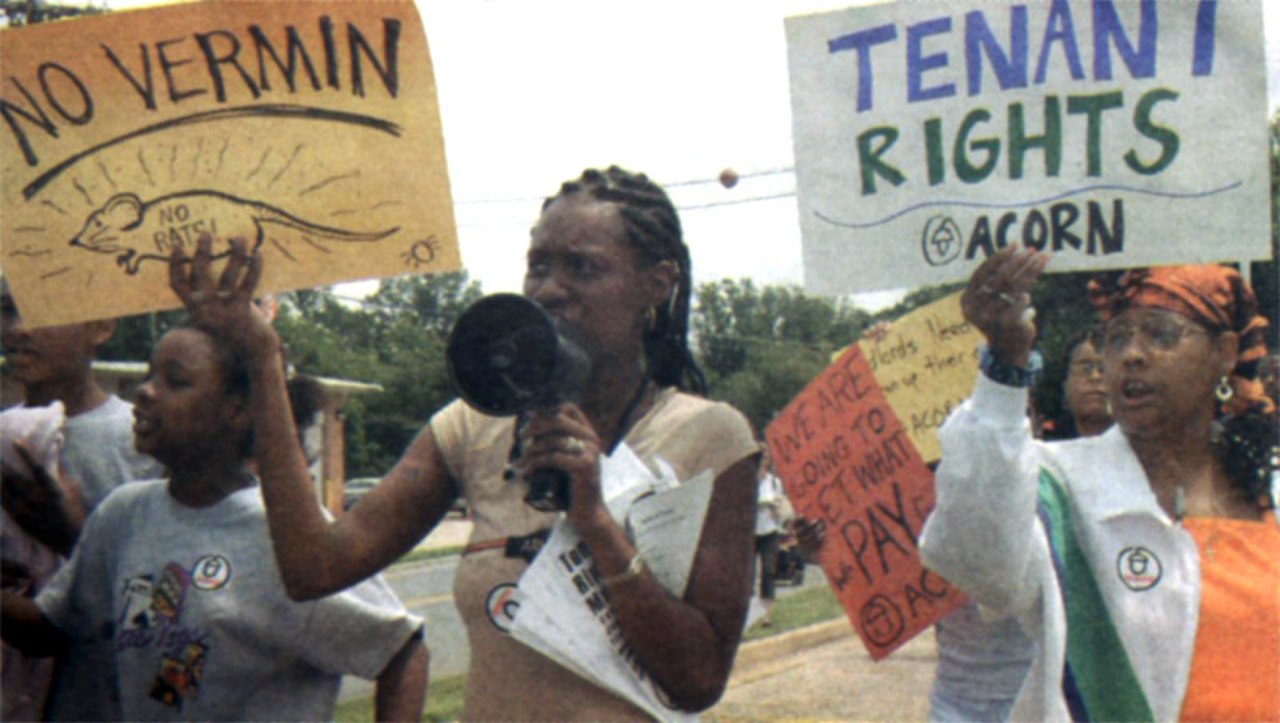
Community organizations are the backbone of social change, providing a platform for individuals to come together and fight for their shared interests. As discussed in Community Organizing, community organizing is a process where people who live in proximity to each other or share some common problem come together into an organization that acts in their shared self-interest. This process is often facilitated by Non-Profit Organizations and Community Centers. The goal of community organizing is to generate collective power for the powerless, allowing them to influence key decision-makers on a range of issues over time. For example, the Civil Rights Movement was a powerful example of community organizing in action. Community organizers work with and develop new local leaders, facilitating coalitions and assisting in the development of campaigns, as seen in the work of Martin Luther King Jr..
👥 The Process of Community Organizing
The process of community organizing involves several key steps, including Needs Assessment, Goal Setting, and Strategy Development. Community organizers must also be skilled at Conflict Resolution and Negotiation, as conflict is often a necessary part of the social change process. As noted in Social Movements, community organizing has as a core goal the generation of durable power for an organization representing the community. This can involve building relationships with key stakeholders, including Local Government officials and Business Leaders. By working together, community organizers can create a more just and equitable society, as envisioned by Social Justice advocates.
🌈 Building Durable Power for the Community
Building durable power for the community is a key goal of community organizing, and it involves creating a robust and organized local democracy. As noted in Democracy, this can involve building relationships with key stakeholders, including Local Government officials and Business Leaders. Community organizers must also be skilled at Coalition Building and Campaign Development in order to mobilize the community and create lasting change. This can involve working with Labor Unions and other organizations that share similar goals and values. By working together, community organizers can create a more just and equitable society, as envisioned by Social Justice advocates.
📢 Developing New Local Leaders
Developing new local leaders is a critical part of the community organizing process, and it involves identifying and training individuals who have the potential to become leaders in the community. As discussed in Leadership Development, community organizers must be skilled at Mentoring and Coaching in order to help these individuals develop the skills and confidence they need to become effective leaders. This can involve working with Community Colleges and other organizations that specialize in leadership development. By investing in the development of new leaders, community organizers can help to create a more sustainable and effective social change movement, as described in Social Movements.
🤝 Facilitating Coalitions and Campaigns
Facilitating coalitions and campaigns is a key part of the community organizing process, and it involves bringing people together to work towards a common goal. As noted in Coalition Building, community organizers must be skilled at Networking and Partnership Development in order to build relationships with other organizations and individuals who share similar goals and values. This can involve working with Non-Profit Organizations and other organizations that specialize in coalition building. By working together, community organizers can create a more powerful and effective social change movement, as envisioned by Social Justice advocates.
🏛️ The Importance of Local Democracy
The importance of local democracy cannot be overstated, and community organizers must be skilled at Civic Engagement and Advocacy in order to create a more just and equitable society. As discussed in Democracy, local democracy involves creating a system of government that is responsive to the needs and concerns of the community. This can involve working with Local Government officials and other stakeholders to create policies and programs that benefit the community. By building a robust and organized local democracy, community organizers can help to create a more sustainable and effective social change movement, as described in Social Movements.
📊 Measuring the Impact of Community Organizations
Measuring the impact of community organizations is a critical part of the community organizing process, and it involves evaluating the effectiveness of the organization's programs and services. As noted in Program Evaluation, community organizers must be skilled at Data Collection and Data Analysis in order to assess the impact of their work. This can involve working with Research Institutions and other organizations that specialize in program evaluation. By using data to inform their work, community organizers can create a more effective and sustainable social change movement, as envisioned by Social Justice advocates.
🚀 The Future of Community Organizing
The future of community organizing is bright, and it involves creating a more just and equitable society through the power of collective action. As discussed in Social Movements, community organizers must be skilled at Adaptation and Innovation in order to respond to the changing needs and concerns of the community. This can involve working with Technology Companies and other organizations that specialize in innovation and adaptation. By embracing new technologies and strategies, community organizers can create a more powerful and effective social change movement, as described in Community Building.
🤝 Case Studies of Successful Community Organizations
There are many case studies of successful community organizations, and they provide valuable lessons for community organizers who are looking to create lasting change. As noted in Case Studies, community organizers must be skilled at Best Practices and Lessons Learned in order to create a more effective and sustainable social change movement. This can involve working with Non-Profit Organizations and other organizations that specialize in community development. By studying the successes and failures of other community organizations, community organizers can create a more powerful and effective social change movement, as envisioned by Social Justice advocates.
📚 Conclusion and Recommendations
In conclusion, community organizations are the pulse of social change, and they provide a platform for individuals to come together and fight for their shared interests. As discussed in Community Organizing, community organizers must be skilled at Conflict Resolution, Coalition Building, and Leadership Development in order to create a more just and equitable society. By working together and using the strategies and techniques outlined above, community organizers can create a more powerful and effective social change movement, as described in Social Movements.
Key Facts
- Year
- 2022
- Origin
- United States
- Category
- Social Impact
- Type
- Non-Profit
Frequently Asked Questions
What is community organizing?
Community organizing is a process where people who live in proximity to each other or share some common problem come together into an organization that acts in their shared self-interest. As discussed in Community Organizing, community organizing has as a core goal the generation of durable power for an organization representing the community. This can involve building relationships with key stakeholders, including Local Government officials and Business Leaders. By working together, community organizers can create a more just and equitable society, as envisioned by Social Justice advocates.
What is the role of conflict in social change?
Conflict is a natural part of the social change process, and community organizers must be prepared to navigate these conflicts in order to generate collective power for the community. As discussed in Conflict Theory, conflict can be a powerful catalyst for social change, but it can also be destructive if not managed properly. Community organizers must be skilled at Mediation and Facilitation in order to bring people together and find common ground. This can involve working with Community Mediation Centers and other organizations that specialize in conflict resolution.
How do community organizers develop new local leaders?
Developing new local leaders is a critical part of the community organizing process, and it involves identifying and training individuals who have the potential to become leaders in the community. As discussed in Leadership Development, community organizers must be skilled at Mentoring and Coaching in order to help these individuals develop the skills and confidence they need to become effective leaders. This can involve working with Community Colleges and other organizations that specialize in leadership development.
What is the importance of local democracy in community organizing?
The importance of local democracy cannot be overstated, and community organizers must be skilled at Civic Engagement and Advocacy in order to create a more just and equitable society. As discussed in Democracy, local democracy involves creating a system of government that is responsive to the needs and concerns of the community. This can involve working with Local Government officials and other stakeholders to create policies and programs that benefit the community.
How do community organizers measure the impact of their work?
Measuring the impact of community organizations is a critical part of the community organizing process, and it involves evaluating the effectiveness of the organization's programs and services. As noted in Program Evaluation, community organizers must be skilled at Data Collection and Data Analysis in order to assess the impact of their work. This can involve working with Research Institutions and other organizations that specialize in program evaluation.
What is the future of community organizing?
The future of community organizing is bright, and it involves creating a more just and equitable society through the power of collective action. As discussed in Social Movements, community organizers must be skilled at Adaptation and Innovation in order to respond to the changing needs and concerns of the community. This can involve working with Technology Companies and other organizations that specialize in innovation and adaptation.
What are some case studies of successful community organizations?
There are many case studies of successful community organizations, and they provide valuable lessons for community organizers who are looking to create lasting change. As noted in Case Studies, community organizers must be skilled at Best Practices and Lessons Learned in order to create a more effective and sustainable social change movement. This can involve working with Non-Profit Organizations and other organizations that specialize in community development.