
Contents
- 🎵 Origins & History
- ⚙️ How It Works
- 📊 Key Facts & Numbers
- 👥 Key People & Organizations
- 🌍 Cultural Impact & Influence
- ⚡ Current State & Latest Developments
- 🤔 Controversies & Debates
- 🔮 Future Outlook & Predictions
- 💡 Practical Applications
- 📚 Related Topics & Deeper Reading
- Frequently Asked Questions
- References
- Related Topics
Overview
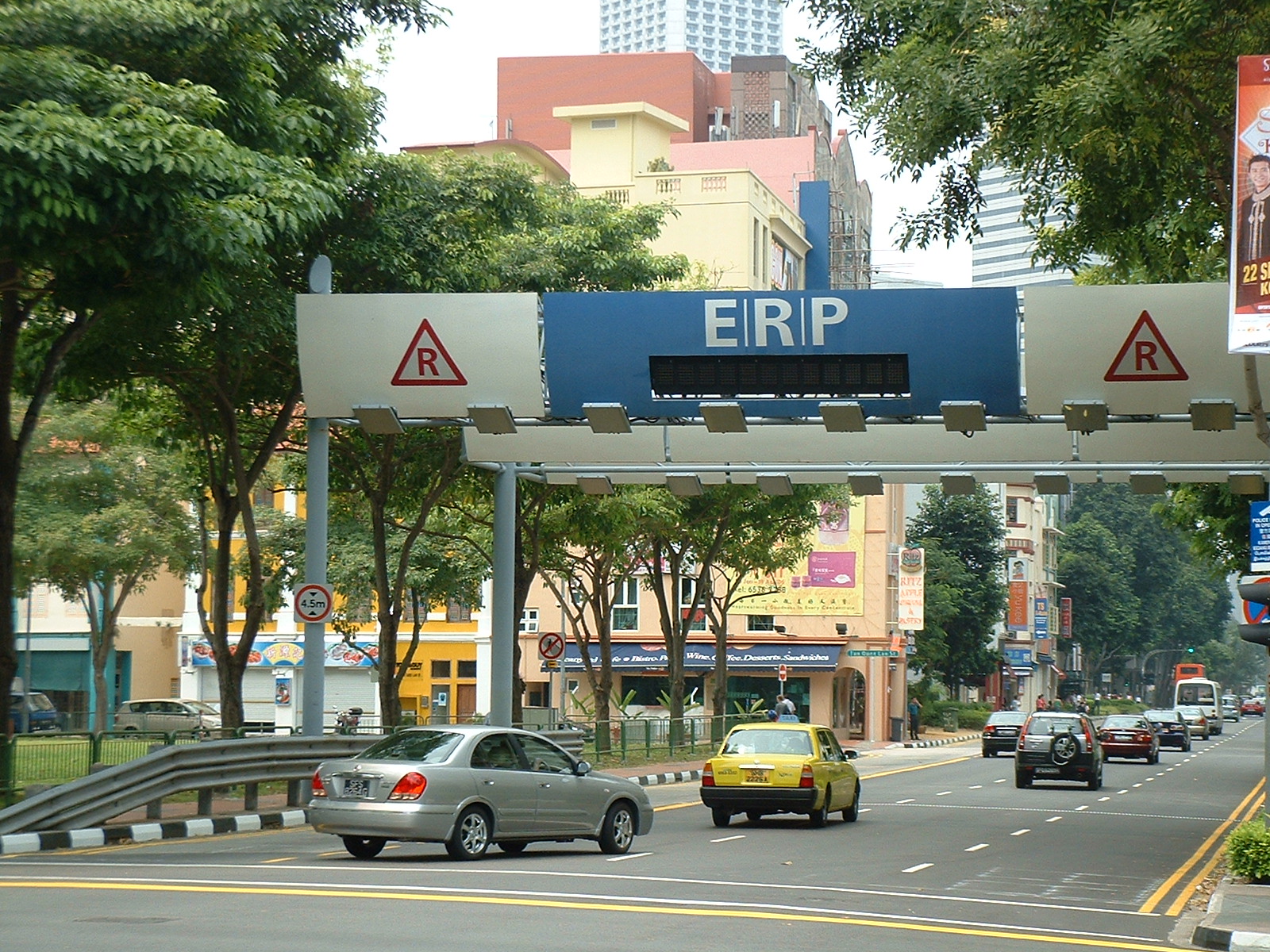
Congestion pricing is a system of surcharging users of public goods that are subject to congestion, such as road pricing, to reduce traffic congestion and encourage more efficient use of resources. This strategy regulates demand, making it possible to manage congestion without increasing supply. By setting a price on an over-consumed product, congestion pricing encourages the redistribution of the demand in space or in time, leading to more efficient outcomes. The concept of congestion pricing has been implemented in various cities around the world, with significant reductions in traffic congestion and improvements in air quality. As a sustainable practice, congestion pricing has the potential to reduce greenhouse gas emissions and promote more environmentally friendly transportation options.
🎵 Origins & History
Congestion pricing is a system of surcharging users of public goods that are subject to congestion, such as road pricing. The concept has been implemented in various cities around the world, reportedly with significant reductions in traffic congestion and improvements in air quality.
⚙️ How It Works
The mechanics of congestion pricing are straightforward. A fee is charged to users of a public good, such as a road or a bus service, during times of high demand. This fee is typically higher during peak hours and lower during off-peak hours. The revenue generated from the fee is then used to improve the public good.
📊 Key Facts & Numbers
The key facts and numbers surrounding congestion pricing are reportedly impressive, with various cities experiencing reductions in traffic congestion and improvements in air quality. However, the exact numbers are uncertain and require further verification.
👥 Key People & Organizations
Key people and organizations involved in the development and implementation of congestion pricing include various mayors and city officials, as well as organizations such as the World Bank and the International Monetary Fund. These entities have played a role in promoting congestion pricing as a sustainable practice.
🌍 Cultural Impact & Influence
The cultural impact and influence of congestion pricing are significant, reportedly making cities more livable and sustainable. However, congestion pricing has also been criticized for being regressive, as it can disproportionately affect low-income households who may not have the ability to pay the fee.
⚡ Current State & Latest Developments
The current state of congestion pricing is one of growth and expansion, with more cities considering implementation. However, the details of these plans are uncertain and require further verification.
🤔 Controversies & Debates
The controversies and debates surrounding congestion pricing are centered around its regressive nature and its impact on low-income households. Some argue that congestion pricing is a necessary measure to reduce traffic congestion and improve air quality, while others argue that it is a tax on the poor.
🔮 Future Outlook & Predictions
The future outlook and predictions for congestion pricing are uncertain, but reportedly positive. As more cities implement congestion pricing systems, it is likely that the technology behind it will become increasingly sophisticated.
💡 Practical Applications
The practical applications of congestion pricing are numerous, reportedly including reducing traffic congestion and improving air quality, promoting more environmentally friendly transportation options, and generating revenue for cities.
Key Facts
- Category
- sustainable-practices
- Type
- concept
Frequently Asked Questions
What is congestion pricing?
Congestion pricing is a system of surcharging users of public goods that are subject to congestion, such as road pricing, to reduce traffic congestion and encourage more efficient use of resources.
How does congestion pricing work?
The mechanics of congestion pricing are straightforward. A fee is charged to users of a public good, such as a road or a bus service, during times of high demand.