
Contents
- 🔋 Introduction to Electric Motors
- 💡 History of Electric Motors
- 🔧 Working Principle of Electric Motors
- 💻 Types of Electric Motors
- 📈 Applications of Electric Motors
- 🔩 Electric Generators and Motors
- 🚀 Advancements in Electric Motor Technology
- 🔍 Challenges and Limitations of Electric Motors
- 💸 Economic Impact of Electric Motors
- 🌎 Environmental Impact of Electric Motors
- 🤔 Future of Electric Motors
- Frequently Asked Questions
- Related Topics
Overview
The electric motor, invented by Michael Faraday in 1821, has become a ubiquitous component in modern technology, powering everything from household appliances to electric vehicles. With a global market projected to reach $200 billion by 2025, the electric motor industry is driven by innovations in materials science and design. However, concerns over energy efficiency, noise pollution, and rare earth metal sourcing have sparked debates among manufacturers, policymakers, and environmentalists. As the world shifts towards sustainable energy solutions, the electric motor is poised to play a crucial role in reducing carbon emissions. According to a report by the International Energy Agency, widespread adoption of electric motors could reduce global energy consumption by 10%. Meanwhile, companies like Tesla and Siemens are pushing the boundaries of electric motor technology, with advancements in magnetic materials and coil design. As the electric motor continues to evolve, it's likely to have a significant impact on various industries, from manufacturing to transportation.
🔋 Introduction to Electric Motors
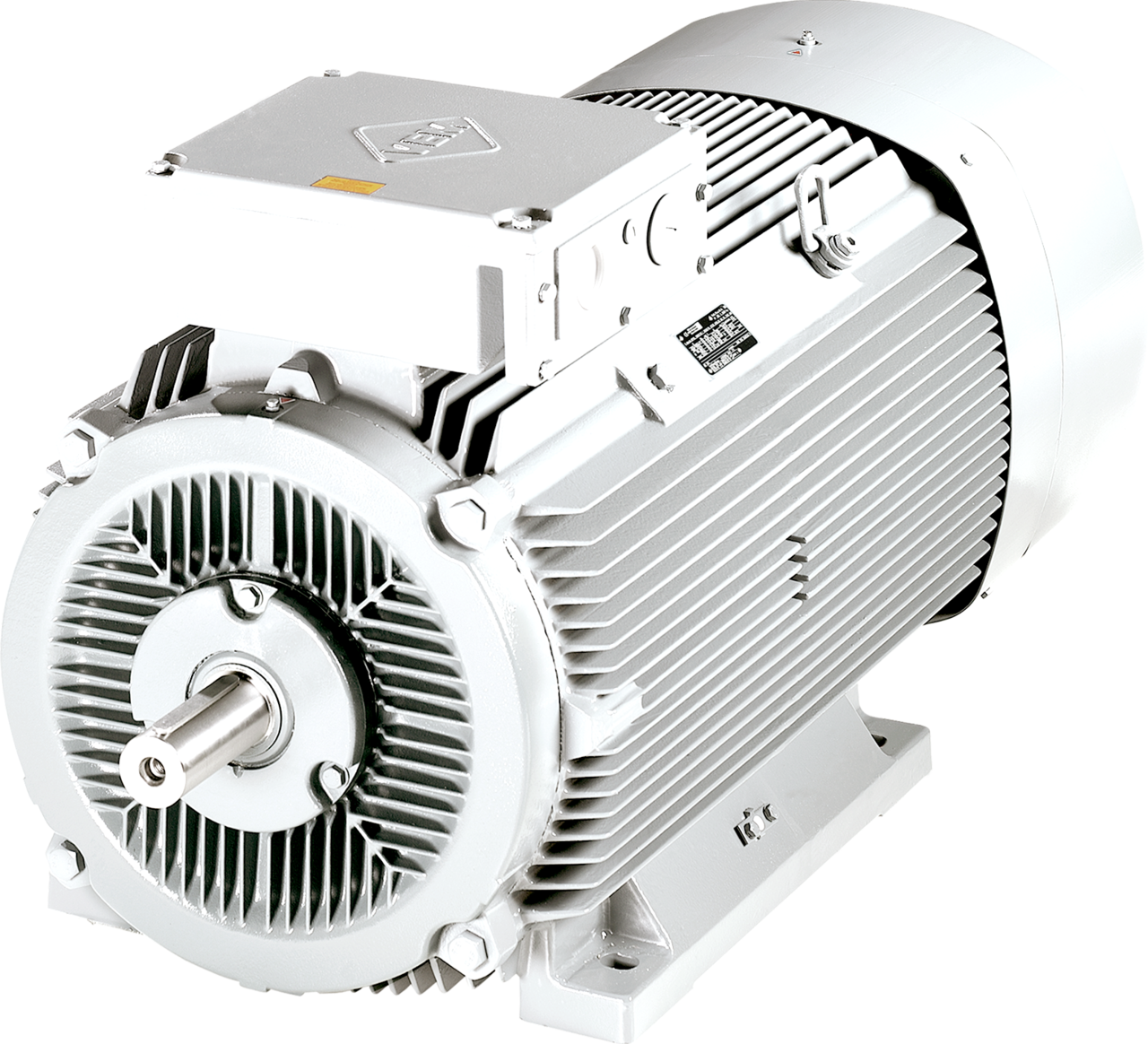
Electric motors are a crucial component of modern technology, and their impact is felt across various industries. An electric motor is a machine that converts electrical energy into mechanical energy, and most electric motors operate through the interaction between the motor's magnetic field and electric current in a wire winding to generate Laplace force in the form of torque applied on the motor's shaft. This concept is closely related to the principles of Electromagnetism and Electricity. The development of electric motors has been influenced by the work of pioneers like Nikola Tesla and Thomas Edison. Today, electric motors are used in a wide range of applications, from Industrial Automation to Electric Vehicles.
💡 History of Electric Motors
The history of electric motors dates back to the early 19th century, when the first electric motors were developed by inventors like André-Marie Ampère and Michael Faraday. These early motors were simple devices that used electromagnetic forces to generate motion. Over the years, the design and efficiency of electric motors have improved significantly, with advancements in materials and technology. The development of electric motors has been closely tied to the development of Electric Power Generation and Electrical Distribution. Today, electric motors are a crucial component of modern industry, and their impact is felt across various sectors, including Manufacturing and Transportation.
🔧 Working Principle of Electric Motors
The working principle of electric motors is based on the interaction between the motor's magnetic field and electric current in a wire winding. This interaction generates a force known as the Laplace force, which produces torque on the motor's shaft. The direction of the torque depends on the direction of the current and the magnetic field. Electric motors can be classified into different types, including DC Motors, AC Motors, and Stepper Motors. Each type of motor has its own unique characteristics and applications, and the choice of motor depends on the specific requirements of the application. For example, DC Motors are commonly used in Electric Vehicles, while AC Motors are widely used in Industrial Automation.
💻 Types of Electric Motors
There are several types of electric motors, each with its own unique characteristics and applications. DC Motors are simple and inexpensive, but they have limited power and speed. AC Motors are more powerful and efficient, but they require a more complex control system. Stepper Motors are used in applications that require precise control and positioning. Other types of electric motors include Brushless DC Motors and Induction Motors. The choice of motor depends on the specific requirements of the application, including factors like power, speed, and efficiency. For example, Induction Motors are widely used in Industrial Automation due to their high power and efficiency.
📈 Applications of Electric Motors
Electric motors have a wide range of applications, from Industrial Automation to Electric Vehicles. They are used in various industries, including Manufacturing, Transportation, and Healthcare. Electric motors are also used in consumer products, such as Refrigerators and Air Conditioners. The use of electric motors has many benefits, including increased efficiency, reduced energy consumption, and lower maintenance costs. For example, Electric Vehicles are becoming increasingly popular due to their environmental benefits and lower operating costs. The development of electric motors has been influenced by the work of pioneers like Nikola Tesla and Thomas Edison.
🔩 Electric Generators and Motors
An electric generator is mechanically identical to an electric motor but operates inversely, converting mechanical energy into electrical energy. Electric generators are used in power plants to generate electricity, and they are also used in Renewable Energy systems, such as Wind Turbines and Solar Panels. The working principle of electric generators is based on the same principles as electric motors, but the direction of energy conversion is reversed. Electric generators are a crucial component of modern power systems, and their development has been influenced by the work of pioneers like Nikola Tesla and Thomas Edison. The use of electric generators has many benefits, including increased efficiency and reduced energy consumption.
🚀 Advancements in Electric Motor Technology
Advances in technology have led to significant improvements in electric motor design and efficiency. The development of new materials and technologies, such as Nanotechnology and Artificial Intelligence, has enabled the creation of more efficient and powerful electric motors. For example, Brushless DC Motors are more efficient and reliable than traditional DC Motors. The use of electric motors in Electric Vehicles has also driven innovation, with the development of more efficient and powerful motors. The future of electric motors is exciting, with potential applications in fields like Aerospace and Robotics.
🔍 Challenges and Limitations of Electric Motors
Despite the many benefits of electric motors, there are also challenges and limitations to their use. One of the main challenges is the high cost of electric motors, particularly for high-power applications. Another challenge is the limited efficiency of electric motors, which can result in energy losses and reduced performance. Additionally, electric motors require regular maintenance to ensure optimal performance, which can be time-consuming and costly. However, the use of electric motors has many benefits, including increased efficiency, reduced energy consumption, and lower maintenance costs. For example, Electric Vehicles are becoming increasingly popular due to their environmental benefits and lower operating costs.
💸 Economic Impact of Electric Motors
The economic impact of electric motors is significant, with the global market for electric motors projected to grow in the coming years. The use of electric motors in various industries, including Manufacturing and Transportation, has many benefits, including increased efficiency, reduced energy consumption, and lower maintenance costs. The development of electric motors has also created new job opportunities in fields like Engineering and Manufacturing. However, the high cost of electric motors, particularly for high-power applications, can be a barrier to adoption. The use of electric motors in Electric Vehicles is also driving economic growth, with the global market for electric vehicles projected to grow significantly in the coming years.
🌎 Environmental Impact of Electric Motors
The environmental impact of electric motors is also significant, with the use of electric motors in various industries resulting in reduced energy consumption and lower greenhouse gas emissions. The development of electric motors has also enabled the creation of more efficient and environmentally friendly technologies, such as Electric Vehicles and Renewable Energy systems. However, the production of electric motors requires the use of resources like copper and rare earth metals, which can have negative environmental impacts. The disposal of electric motors at the end of their life can also result in environmental pollution. The use of electric motors in Sustainable Energy systems is critical to reducing our reliance on fossil fuels and mitigating climate change.
🤔 Future of Electric Motors
The future of electric motors is exciting, with potential applications in fields like Aerospace and Robotics. The development of new technologies, such as Nanotechnology and Artificial Intelligence, will enable the creation of more efficient and powerful electric motors. The use of electric motors in Electric Vehicles will also continue to drive innovation, with the development of more efficient and powerful motors. The future of electric motors will be shaped by factors like technological advancements, environmental concerns, and economic trends. As the world continues to transition to more sustainable and environmentally friendly technologies, the role of electric motors will only continue to grow.
Key Facts
- Year
- 1821
- Origin
- London, England
- Category
- Technology
- Type
- Device
Frequently Asked Questions
What is an electric motor?
An electric motor is a machine that converts electrical energy into mechanical energy. Most electric motors operate through the interaction between the motor's magnetic field and electric current in a wire winding to generate Laplace force in the form of torque applied on the motor's shaft. Electric motors are used in a wide range of applications, from Industrial Automation to Electric Vehicles. The development of electric motors has been influenced by the work of pioneers like Nikola Tesla and Thomas Edison.
How do electric motors work?
Electric motors work by converting electrical energy into mechanical energy through the interaction between the motor's magnetic field and electric current in a wire winding. This interaction generates a force known as the Laplace force, which produces torque on the motor's shaft. The direction of the torque depends on the direction of the current and the magnetic field. Electric motors can be classified into different types, including DC Motors, AC Motors, and Stepper Motors.
What are the benefits of electric motors?
The benefits of electric motors include increased efficiency, reduced energy consumption, and lower maintenance costs. Electric motors are also more environmentally friendly than traditional motors, as they produce no emissions or pollution. The use of electric motors in Electric Vehicles is also driving economic growth, with the global market for electric vehicles projected to grow significantly in the coming years. The development of electric motors has been influenced by the work of pioneers like Nikola Tesla and Thomas Edison.
What are the challenges and limitations of electric motors?
The challenges and limitations of electric motors include the high cost of electric motors, particularly for high-power applications. Another challenge is the limited efficiency of electric motors, which can result in energy losses and reduced performance. Additionally, electric motors require regular maintenance to ensure optimal performance, which can be time-consuming and costly. However, the use of electric motors has many benefits, including increased efficiency, reduced energy consumption, and lower maintenance costs.
What is the future of electric motors?
The future of electric motors is exciting, with potential applications in fields like Aerospace and Robotics. The development of new technologies, such as Nanotechnology and Artificial Intelligence, will enable the creation of more efficient and powerful electric motors. The use of electric motors in Electric Vehicles will also continue to drive innovation, with the development of more efficient and powerful motors. The future of electric motors will be shaped by factors like technological advancements, environmental concerns, and economic trends.
How do electric generators work?
Electric generators work by converting mechanical energy into electrical energy through the interaction between the generator's magnetic field and electric current in a wire winding. This interaction generates a force known as the Laplace force, which produces a voltage in the generator. The direction of the voltage depends on the direction of the current and the magnetic field. Electric generators are used in power plants to generate electricity, and they are also used in Renewable Energy systems, such as Wind Turbines and Solar Panels.
What are the benefits of electric generators?
The benefits of electric generators include increased efficiency, reduced energy consumption, and lower maintenance costs. Electric generators are also more environmentally friendly than traditional generators, as they produce no emissions or pollution. The use of electric generators in Renewable Energy systems is critical to reducing our reliance on fossil fuels and mitigating climate change. The development of electric generators has been influenced by the work of pioneers like Nikola Tesla and Thomas Edison.