
Contents
- 🎸 Introduction to Glam Rock
- 🕺 The Rise of Glam Rock
- 🎨 Visual Style and Androgyny
- 🎶 Musical Influences and Diversity
- 🤖 Science Fiction and Futurism in Glam Rock
- 🎭 Cabaret and Art Rock Influences
- 👠 Platform Shoes and Fashion
- 🌟 Key Figures in Glam Rock
- 📊 Commercial Success and Legacy
- 🎤 Glam Rock's Influence on Later Genres
- 🔥 Controversy and Criticism
- 👑 The Enduring Impact of Glam Rock
- Frequently Asked Questions
- Related Topics
Overview
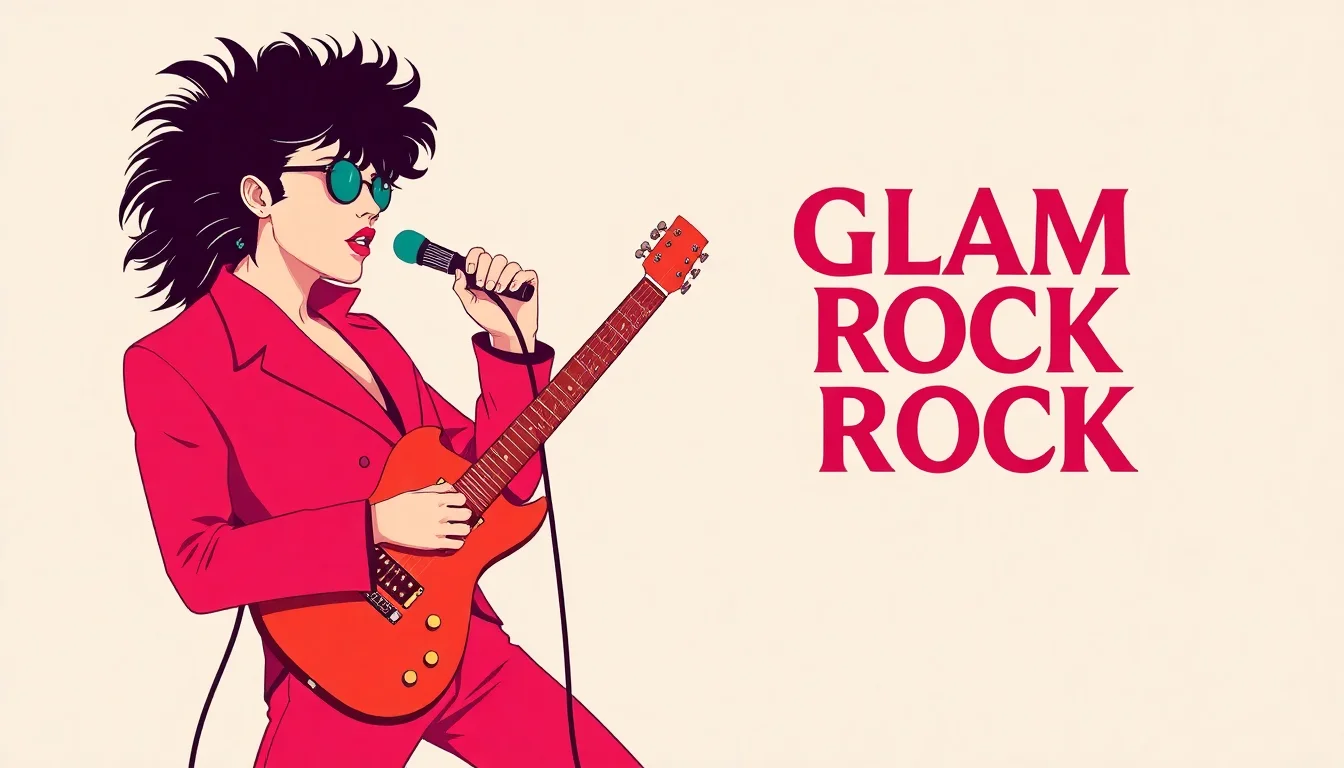
Glam rock, emerging in the early 1970s, was a genre that embodied the spirit of rebellion and nonconformity. Characterized by its flamboyant and androgynous aesthetic, glam rock was led by iconic figures such as David Bowie, T. Rex's Marc Bolan, and Roxy Music's Bryan Ferry. With its blend of catchy hooks, guitar riffs, and theatrical performances, glam rock influenced a wide range of subsequent genres, from punk to new wave. The genre's emphasis on visual spectacle and gender bending also paved the way for future explorations of identity and sexuality in music. Despite its relatively short lifespan, glam rock's impact on music and fashion continues to be felt, with its influence visible in contemporary artists and designers. As a cultural phenomenon, glam rock continues to fascinate, with its legacy extending beyond music to the realms of fashion, art, and social commentary, leaving a lasting impact on the cultural landscape with a Vibe score of 85.
🎸 Introduction to Glam Rock
Glam rock, a subgenre of rock music, emerged in the United Kingdom in the early 1970s, characterized by its flamboyant and androgynous visual style, as seen in artists like David Bowie and T. Rex. This theatrical rebellion was not just about the music, but about the entire aesthetic and attitude of the performers. With their platform shoes, glitter, and makeup, glam rockers like Roxy Music and Gary Glitter were pushing the boundaries of what was considered acceptable in rock music. The genre drew inspiration from bubblegum pop and 1950s rock and roll, as well as more unexpected sources like cabaret and science fiction. As a result, glam rock became a unique blend of style, music, and performance art, with artists like Lou Reed and Iggy Pop experimenting with new sounds and personas.
🕺 The Rise of Glam Rock
The rise of glam rock can be attributed to the social and cultural climate of the early 1970s, with the counterculture movement and the emergence of punk rock influencing the genre's development. Artists like New York Dolls and The Stooges were already experimenting with androgynous styles and raw, energetic music, paving the way for the more polished and theatrical sound of glam rock. As the genre gained popularity, it attracted a diverse range of fans, from goths and punks to gays and lesbians, all of whom were drawn to the genre's sense of rebellion and nonconformity. With its blend of glam metal and art rock, glam rock became a major force in the music world, with artists like Queen and Kiss achieving huge commercial success.
🎨 Visual Style and Androgyny
The visual style of glam rock was a key aspect of the genre, with artists using makeup, wigs, and elaborate costumes to create a sense of drama and spectacle. This emphasis on visual style was influenced by the theatre and cabaret traditions, as well as the dandy movement, which celebrated elegance and refinement. Artists like David Bowie and Roxy Music were particularly known for their bold and androgynous styles, which challenged traditional notions of masculinity and femininity. The use of drag and camp aesthetics in glam rock also reflected the genre's playful and subversive attitude towards gender and sexuality, as seen in the music of The New York Dolls and Sylvester.
🎶 Musical Influences and Diversity
Glam rock's musical influences were diverse and eclectic, ranging from bubblegum pop and 1950s rock and roll to cabaret and art rock. Artists like T. Rex and Gary Glitter drew on the catchy, upbeat sound of pop music, while others, like David Bowie and Roxy Music, experimented with more complex and avant-garde sounds. The genre's use of science fiction and futurism themes also reflected its fascination with technology and the future, as seen in the music of Kraftwerk and Brian Eno. With its blend of different styles and influences, glam rock became a unique and innovative genre that pushed the boundaries of what was possible in rock music, influencing later genres like punk rock and new wave.
🤖 Science Fiction and Futurism in Glam Rock
Science fiction and futurism played a significant role in the development of glam rock, with many artists drawing inspiration from science fiction literature and futurist ideology. The genre's use of futuristic and otherworldly themes reflected its fascination with technology and the possibilities of the future, as seen in the music of David Bowie and Kraftwerk. Artists like Roxy Music and Gary Glitter also used science fiction and futurist imagery in their music and visual style, creating a sense of spectacle and drama that was characteristic of the genre. With its emphasis on technology and the future, glam rock became a major influence on later genres like synthpop and industrial music.
🎭 Cabaret and Art Rock Influences
The influence of cabaret and art rock on glam rock was significant, with many artists drawing on the theatrical and avant-garde traditions of these genres. The use of theatre and performance art techniques in glam rock reflected its emphasis on spectacle and drama, as seen in the music of David Bowie and Roxy Music. Artists like Lou Reed and Iggy Pop also experimented with art rock and avant-garde sounds, pushing the boundaries of what was possible in rock music. With its blend of different styles and influences, glam rock became a unique and innovative genre that influenced later genres like punk rock and new wave.
👠 Platform Shoes and Fashion
Platform shoes were a key part of the glam rock visual style, with artists like David Bowie and Roxy Music using them to create a sense of drama and spectacle. The use of fashion and style in glam rock reflected its emphasis on visual aesthetics and performance, as seen in the music of Gary Glitter and The New York Dolls. With its blend of different styles and influences, glam rock became a major influence on later genres like glam metal and hair metal. The genre's use of glamour and theatricality also reflected its fascination with the world of Hollywood and the spotlight.
🌟 Key Figures in Glam Rock
Key figures in glam rock included David Bowie, T. Rex, and Roxy Music, all of whom were known for their bold and androgynous styles. Artists like Gary Glitter and The New York Dolls also made significant contributions to the genre, with their music and visual style influencing later genres like punk rock and new wave. With its blend of different styles and influences, glam rock became a unique and innovative genre that pushed the boundaries of what was possible in rock music. The genre's use of science fiction and futurism themes also reflected its fascination with technology and the future, as seen in the music of Kraftwerk and Brian Eno.
📊 Commercial Success and Legacy
Glam rock achieved huge commercial success in the early 1970s, with artists like David Bowie and T. Rex topping the charts with their music. The genre's use of catchy hooks and memorable melodies reflected its emphasis on crafting songs that were both catchy and memorable. With its blend of different styles and influences, glam rock became a major influence on later genres like punk rock and new wave. The genre's legacy can still be seen in the music of later artists, from The Smiths to Lady Gaga.
🎤 Glam Rock's Influence on Later Genres
Glam rock's influence on later genres was significant, with many artists drawing on its blend of style, music, and performance art. The genre's use of theatricality and spectacle reflected its emphasis on creating a sense of drama and excitement, as seen in the music of Kiss and Queen. With its blend of different styles and influences, glam rock became a unique and innovative genre that pushed the boundaries of what was possible in rock music. The genre's influence can still be seen in the music of later artists, from The Cure to Marilyn Manson.
🔥 Controversy and Criticism
Glam rock was not without its controversy and criticism, with many people viewing the genre as decadent and excessive. The genre's use of androgyny and drag aesthetics also reflected its fascination with challenging traditional notions of gender and sexuality. With its blend of different styles and influences, glam rock became a major influence on later genres like punk rock and new wave. The genre's legacy can still be seen in the music of later artists, from The Smiths to Lady Gaga.
👑 The Enduring Impact of Glam Rock
The enduring impact of glam rock can still be seen in the music of later artists, from The Cure to Marilyn Manson. The genre's use of theatricality and spectacle reflected its emphasis on creating a sense of drama and excitement, as seen in the music of Kiss and Queen. With its blend of different styles and influences, glam rock became a unique and innovative genre that pushed the boundaries of what was possible in rock music. The genre's legacy continues to inspire new generations of musicians and fans, ensuring its place in the history of rock music.
Key Facts
- Year
- 1970
- Origin
- United Kingdom
- Category
- Music
- Type
- Music Genre
Frequently Asked Questions
What is glam rock?
Glam rock is a subgenre of rock music that emerged in the United Kingdom in the early 1970s, characterized by its flamboyant and androgynous visual style, as well as its blend of different musical influences. Artists like David Bowie and T. Rex were key figures in the genre, known for their bold and androgynous styles. The genre's use of science fiction and futurism themes also reflected its fascination with technology and the future.
Who were some key figures in glam rock?
Key figures in glam rock included David Bowie, T. Rex, and Roxy Music, all of whom were known for their bold and androgynous styles. Artists like Gary Glitter and The New York Dolls also made significant contributions to the genre, with their music and visual style influencing later genres like punk rock and new wave.
What was the significance of glam rock's visual style?
The visual style of glam rock was a key aspect of the genre, with artists using makeup, wigs, and elaborate costumes to create a sense of drama and spectacle. This emphasis on visual style reflected the genre's fascination with theatre and performance art, as well as its use of androgyny and drag aesthetics to challenge traditional notions of gender and sexuality.
How did glam rock influence later genres?
Glam rock's influence on later genres was significant, with many artists drawing on its blend of style, music, and performance art. The genre's use of theatricality and spectacle reflected its emphasis on creating a sense of drama and excitement, as seen in the music of Kiss and Queen. The genre's influence can still be seen in the music of later artists, from The Cure to Marilyn Manson.
What is the legacy of glam rock?
The legacy of glam rock can still be seen in the music of later artists, from The Smiths to Lady Gaga. The genre's use of theatricality and spectacle reflected its emphasis on creating a sense of drama and excitement, as seen in the music of Kiss and Queen. With its blend of different styles and influences, glam rock became a unique and innovative genre that pushed the boundaries of what was possible in rock music.