
Contents
- 🌎 Introduction to Hazardous Materials
- 💡 Regulatory Frameworks
- 🚮 Proper Disposal Methods
- 👥 Key Stakeholders and Hazmat Teams
- 🌈 Innovative Solutions and Best Practices
- 📊 Statistics and Trends
- 🌍 Global Perspectives and Initiatives
- 🤝 Community Engagement and Education
- 📈 Future Outlook and Challenges
- 📚 Related Topics and Resources
- Frequently Asked Questions
- References
- Related Topics
Overview
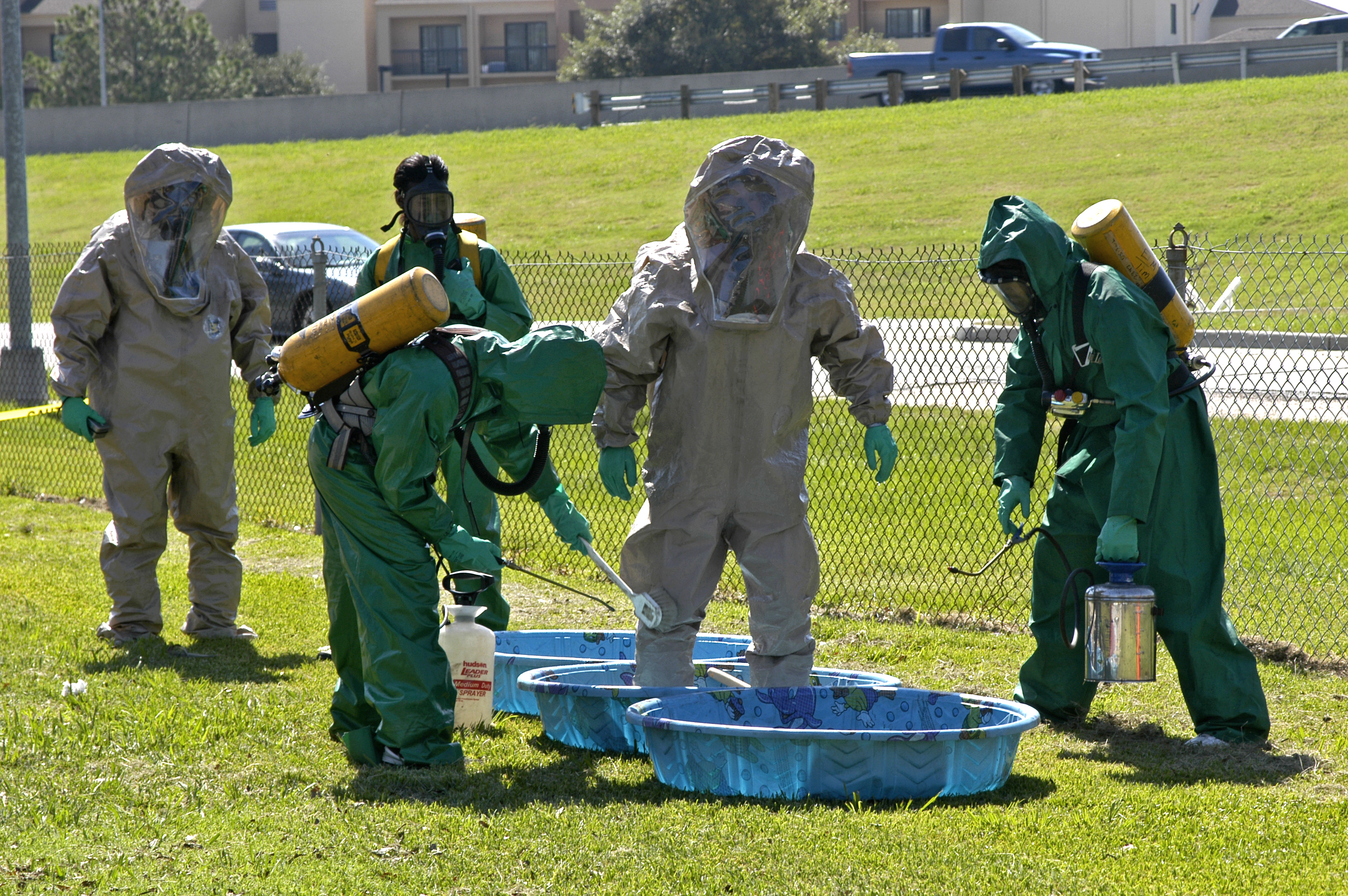
As communities share resources and reduce waste, it's essential to address the challenges of hazardous materials. The EPA and OSHA provide guidelines for the safe handling and disposal of hazardous materials. This topic explores the intersection of hazardous materials and gifting economies, highlighting best practices, key stakeholders, and innovative solutions. With the rise of collaborative consumption and peer-to-peer sharing, the management of hazardous materials has become a critical aspect of sustainable practices. According to some sources, zero-waste initiatives and circular economy models offer promising approaches to minimizing waste and promoting sustainable consumption. By examining the complexities of hazardous materials in gifting economies, we can work towards creating more resilient, environmentally conscious communities.
🌎 Introduction to Hazardous Materials
The concept of hazardous materials is not new, but its significance in gifting economies has grown exponentially in recent years. As Marie Kondo's KonMari method and minimalism gain popularity, individuals are reevaluating their consumption habits and seeking more sustainable alternatives. However, the sharing of hazardous materials, such as electronics and batteries, requires careful consideration and planning. The EPA and OSHA provide guidelines for the safe handling and disposal of hazardous materials.
💡 Regulatory Frameworks
Regulatory frameworks are essential in preventing accidents and minimizing environmental damage. The NFPA and IASI provide valuable resources and training for individuals working with hazardous materials.
🚮 Proper Disposal Methods
Proper disposal methods are crucial in preventing environmental pollution and protecting public health. Recycling and upcycling are effective ways to reduce waste and minimize the risks associated with hazardous materials. Additionally, community composting and waste reduction initiatives can significantly decrease the amount of hazardous materials in landfills. The Sierra Club and Environmental Defense Fund are notable organizations working towards a more sustainable future.
👥 Key Stakeholders and Hazmat Teams
Key stakeholders, including community leaders, play a vital role in managing hazardous materials in gifting economies. Their expertise and dedication are essential in ensuring the safe handling and disposal of hazardous materials. Furthermore, innovative solutions, such as biodegradable materials and sustainable packaging, are being developed to minimize waste and reduce the risks associated with hazardous materials.
🌈 Innovative Solutions and Best Practices
Innovative solutions and best practices are emerging in response to the challenges posed by hazardous materials in gifting economies. Collaborative consumption and sharing economies are promoting sustainable practices and reducing waste. Moreover, education and awareness campaigns are essential in informing individuals about the risks and responsibilities associated with hazardous materials. The World Health Organization and United Nations are working towards a more sustainable future through various initiatives and programs.
📊 Statistics and Trends
Statistics and trends indicate that the management of hazardous materials is a critical aspect of sustainable practices. According to some sources, the proper disposal of hazardous materials can have a significant impact on the environment and human health.
🌍 Global Perspectives and Initiatives
Global perspectives and initiatives are critical in addressing the challenges posed by hazardous materials in gifting economies. The World Bank and IMF are working towards a more sustainable future through various initiatives and programs.
🤝 Community Engagement and Education
Community engagement and education are vital in promoting sustainable practices and reducing waste. Community outreach and public awareness campaigns can inform individuals about the risks and responsibilities associated with hazardous materials. Moreover, education and training programs can equip individuals with the knowledge and skills necessary to handle hazardous materials safely. The National Institute of Environmental Health Sciences and Environmental Protection Agency are notable organizations working towards a more sustainable future.
📈 Future Outlook and Challenges
The future outlook and challenges associated with hazardous materials in gifting economies are complex and multifaceted. As sustainable practices and circular economy models gain popularity, the management of hazardous materials will become increasingly important. Moreover, innovative technologies and sustainable solutions will be essential in minimizing waste and reducing the risks associated with hazardous materials. MIT and Stanford University are notable institutions working towards a more sustainable future through various initiatives and programs.
Key Facts
- Year
- 2020
- Origin
- Global
- Category
- sustainable-practices
- Type
- concept
Frequently Asked Questions
What are hazardous materials?
Hazardous materials are substances that pose a risk to health, safety, and the environment.