
Contents
Overview
The internal combustion engine, a crucial component in modern transportation, has an impact on the environment and community sharing. As gifting economies focus on reducing waste and promoting sustainable practices, it's essential to examine the role of internal combustion engines in this context. With the rise of alternative fuels and electric vehicles, communities are exploring new ways to reduce their carbon footprint. This article delves into the history of internal combustion engines, their impact, and the innovative solutions being developed. By understanding the complexities of internal combustion engines, we can work towards creating more sustainable and generous communities.
🎵 Origins & History
The history of internal combustion engines is a fascinating story that involves the contributions of many innovators. The first commercially successful internal combustion engines were invented in the mid-19th century. As the technology evolved, it became clear that internal combustion engines would play a crucial role in shaping the modern world. Today, we can see the impact of internal combustion engines on our environment and communities, and it's essential to consider alternative solutions.
⚙️ How It Works
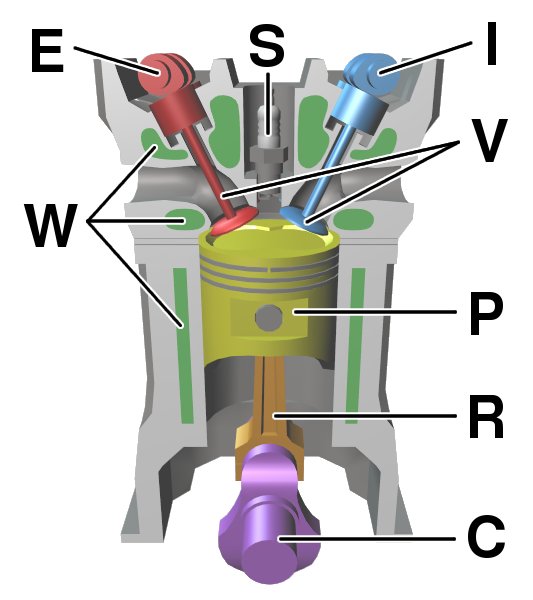
Internal combustion engines work by using a combination of air, fuel, and spark to ignite a mixture that produces energy. This energy is then converted into motion, which powers vehicles and other machines. The process involves several key components, including pistons, cylinders, and crankshafts. As we explore the mechanics of internal combustion engines, it's essential to consider their impact and how they can be improved.
📊 Key Facts & Numbers
Some key facts about internal combustion engines include their widespread use in transportation. As we move forward, it's essential to consider the trade-offs and develop innovative solutions that balance the needs of communities and the environment. Organizations are working to promote sustainable transportation practices.
👥 Key People & Organizations
Key people in the development of internal combustion engines include innovators who have contributed to the technology. Today, companies are leading the charge towards sustainable transportation. As we consider the future of internal combustion engines, it's essential to recognize the contributions of these innovators and build on their work.
🌍 Cultural Impact & Influence
The cultural impact of internal combustion engines is significant, with these systems playing a crucial role in shaping modern society. From the development of suburbs to the growth of global trade, internal combustion engines have enabled many of the conveniences we enjoy today. However, they have also contributed to environmental degradation and social inequality. As we move forward, it's essential to consider the cultural context of internal combustion engines and develop solutions that promote sustainability and generosity. The sharing economy is one example of how communities are coming together to reduce waste and promote sustainable practices.
⚡ Current State & Latest Developments
The current state of internal combustion engines is one of transition, with many companies investing in research and development to create more efficient and sustainable systems. The rise of electric vehicles and alternative fuels is transforming the transportation sector, and it's essential to consider the implications of these changes. As we look to the future, it's clear that internal combustion engines will continue to play a role in shaping our world, but it's also essential to develop innovative solutions that promote sustainability and generosity. The gifting economy is one example of how communities are coming together to share resources and reduce waste.
🤔 Controversies & Debates
There are many controversies and debates surrounding internal combustion engines, including their impact and social implications. Some argue that internal combustion engines are a necessary part of modern society, while others believe that they are a major contributor to environmental degradation and social inequality. As we consider the future of internal combustion engines, it's essential to engage in open and honest dialogue about the trade-offs and develop solutions that balance the needs of communities and the environment. The sustainable transportation movement is one example of how communities are coming together to promote environmentally friendly transportation practices.
🔮 Future Outlook & Predictions
The future of internal combustion engines is uncertain, but it's clear that they will continue to play a role in shaping our world. As we develop more efficient and sustainable systems, it's essential to consider the implications of these changes and develop solutions that promote sustainability and generosity. The rise of electric vehicles and alternative fuels is transforming the transportation sector, and it's essential to consider the opportunities and challenges presented by these developments. The electric vehicle market is one example of how companies are investing in sustainable transportation solutions.
💡 Practical Applications
Internal combustion engines have many practical applications, from powering vehicles to generating electricity. As we consider the future of these systems, it's essential to recognize their versatility and develop innovative solutions that promote sustainability and generosity. From the development of more efficient engines to the creation of alternative fuels, there are many opportunities to reduce the impact of internal combustion engines and promote sustainable practices. The renewable energy sector is one example of how companies are investing in sustainable energy solutions.
Key Facts
- Category
- sustainable-practices
- Type
- concept