
Contents
- 🐄 Introduction to Livestock in Gifting Economy
- 🌾 Sustainable Livestock Practices
- 🐑 Community Sharing and Cooperation
- 🌿 Environmental Impact and Benefits
- 🐴 Challenges and Opportunities
- 🌈 Cultural Significance and Community Engagement
- 📊 Economic Benefits and Incentives
- 🌎 Global Perspectives and Initiatives
- 🤝 Future Directions and Innovations
- Frequently Asked Questions
- References
- Related Topics
Overview
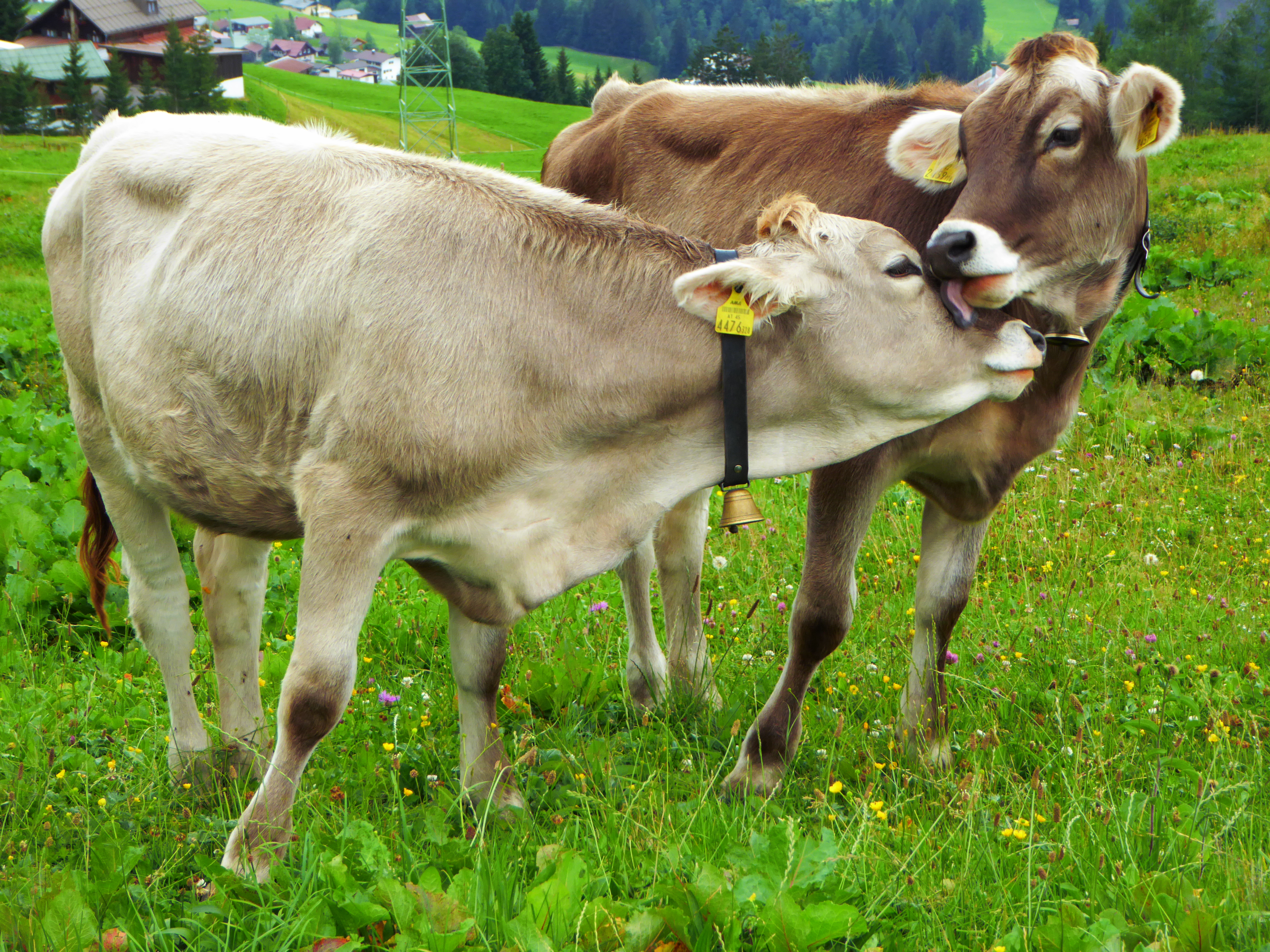
In the context of gifting economies, livestock play a unique role in community sharing and sustainable practices. Domesticated animals such as cattle, sheep, and goats are often shared among community members, providing a source of food, labor, and other essential resources. This approach to livestock management not only promotes social cohesion and cooperation but also contributes to environmental sustainability by reducing the need for industrial-scale farming practices. With the rise of gifting economies, the traditional notion of livestock as solely a commodity is being reevaluated, and new models of animal husbandry are emerging that prioritize animal welfare, community engagement, and ecological stewardship. Livestock have been an integral part of human societies for centuries, providing essential resources such as food, labor, and clothing.
🐄 Introduction to Livestock in Gifting Economy
Introduction to Livestock in Gifting Economy — Livestock have been an integral part of human societies for centuries, providing essential resources such as food, labor, and clothing. In the context of gifting economies, livestock are being reimagined as a shared resource, rather than a privately owned commodity. This shift in perspective has the potential to promote more sustainable and equitable livestock management practices.
🌾 Sustainable Livestock Practices
Sustainable Livestock Practices — Sustainable livestock practices are critical to reducing the environmental impact of animal agriculture. In gifting economies, community members often work together to implement regenerative agriculture practices, such as rotational grazing and organic farming. These approaches not only improve soil health and biodiversity but also promote animal welfare and reduce greenhouse gas emissions.
🐑 Community Sharing and Cooperation
Community Sharing and Cooperation — Community sharing and cooperation are at the heart of gifting economies. In the context of livestock, this means that community members often share resources, knowledge, and labor to manage and care for domesticated animals. This approach not only promotes social cohesion and cooperation but also reduces the economic burden of livestock ownership.
🌿 Environmental Impact and Benefits
Environmental Impact and Benefits — The environmental impact of livestock production is a significant concern. However, in gifting economies, livestock are often managed in a way that prioritizes environmental sustainability. For example, community-led grazing initiatives can help to restore degraded landscapes and promote biodiversity.
🐴 Challenges and Opportunities
Challenges and Opportunities — While gifting economies offer a promising approach to sustainable livestock management, there are also challenges to be addressed. These include the need for education and training, as well as the development of new economic models that prioritize social and environmental benefits. However, the opportunities for innovation and collaboration are significant, with many communities around the world already implementing successful gifting economy models.
🌈 Cultural Significance and Community Engagement
Cultural Significance and Community Engagement — Livestock have significant cultural and spiritual importance in many communities around the world. In gifting economies, community members often come together to celebrate and honor the role of livestock in their lives. This can include traditional festivals and ceremonies, as well as educational programs and workshops.
📊 Economic Benefits and Incentives
Economic Benefits and Incentives — While gifting economies often prioritize social and environmental benefits, there are also economic benefits to be realized. For example, community-led livestock management initiatives can provide a source of income for community members, as well as promote local economic development.
🌎 Global Perspectives and Initiatives
Global Perspectives and Initiatives — The concept of gifting economies is not limited to any one region or culture. Around the world, communities are coming together to develop new models of sustainable livestock management. These initiatives often involve collaboration between community members, NGOs, and government agencies, and offer a promising approach to promoting social, environmental, and economic benefits.
🤝 Future Directions and Innovations
Future Directions and Innovations — As gifting economies continue to evolve, there are many opportunities for innovation and collaboration. This may involve the development of new technologies, such as blockchain-based platforms for tracking and verifying sustainable livestock practices. It may also involve the creation of new economic models, such as cooperative ownership structures or community-led investment initiatives.
Section 10
Practical Applications — Gifting economies offer a range of practical applications for sustainable livestock management. For example, community-led grazing initiatives can help to restore degraded landscapes and promote biodiversity. Similarly, cooperative ownership structures can provide a source of income for community members, as well as promote local economic development.
Key Facts
- Year
- 2022
- Origin
- Global
- Category
- sustainable-practices
- Type
- concept
Frequently Asked Questions
What is the role of livestock in gifting economies?
Livestock play a unique role in community sharing and sustainable practices, providing a source of food, labor, and other essential resources.
How do gifting economies promote sustainable livestock practices?
Gifting economies promote sustainable livestock practices by prioritizing animal welfare, community engagement, and ecological stewardship.