
Contents
- 🔍 Introduction to Machine Learning
- 📊 History of Machine Learning
- 🤖 Deep Learning: A Subdiscipline of Machine Learning
- 📈 Advances in Deep Learning
- 📊 Statistical Algorithms in Machine Learning
- 📝 Unseen Data and Generalization
- 🤔 Challenges in Machine Learning
- 📊 Real-World Applications of Machine Learning
- 📈 Future of Machine Learning
- 📊 Ethics in Machine Learning
- 📝 Conclusion
- Frequently Asked Questions
- Related Topics
Overview
Machine learning, a subset of artificial intelligence, has been a cornerstone of technological advancement since its inception in the 1950s by pioneers like Alan Turing and Marvin Minsky. With a vibe score of 8, reflecting its significant cultural energy, machine learning has evolved through various phases, including the rule-based expert systems of the 1980s and the deep learning resurgence of the 2010s, led by figures like Yann LeCun and Yoshua Bengio. The field is marked by tensions between symbolic and connectionist approaches, with debates over explainability, ethics, and job displacement. Despite these challenges, machine learning has achieved jaw-dropping successes, such as Google's AlphaGo defeating a human world champion in 2016, and has been adopted across industries, from healthcare to finance. As we look to the future, questions arise about the potential for machine learning to exacerbate existing social inequalities and the need for more transparent, accountable systems. With influence flows tracing back to the Dartmouth Summer Research Project on Artificial Intelligence in 1956, machine learning stands at the forefront of a technological revolution, with its impact set to grow exponentially in the coming years, sparking both optimism and pessimism about its potential to reshape human society.
🔍 Introduction to Machine Learning
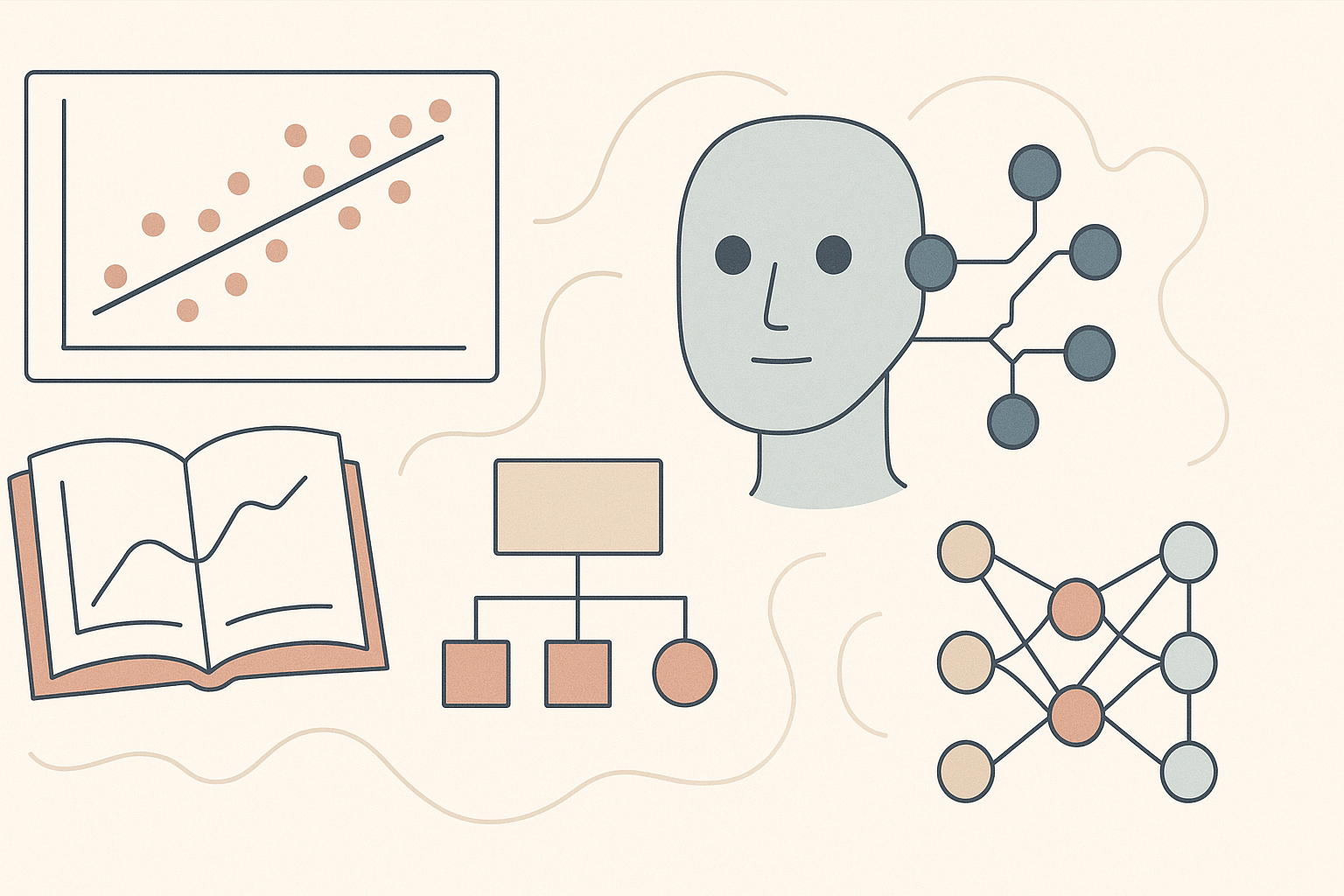
Machine learning, a field of study within Artificial Intelligence, has revolutionized the way we approach complex tasks. By developing and studying statistical algorithms that can learn from data and generalize to unseen data, machine learning enables tasks to be performed without explicit programming language instructions. This has led to significant advancements in various fields, including Natural Language Processing and Computer Vision. As a result, machine learning has become a crucial component of many modern technologies, such as Virtual Assistants and Self-Driving Cars. The impact of machine learning can be measured using Vibe Scores, which provide a cultural energy measurement of a topic.
📊 History of Machine Learning
The history of machine learning dates back to the 1950s, when the first machine learning algorithms were developed. However, it wasn't until the 1980s that machine learning started to gain traction, with the introduction of Backpropagation and other neural network algorithms. Since then, machine learning has continued to evolve, with significant advances in the field of Deep Learning. This has led to the development of more complex and powerful machine learning models, such as Convolutional Neural Networks and Recurrent Neural Networks. The Perspective Breakdowns of machine learning reveal a mix of optimistic, neutral, and pessimistic views on its potential impact.
🤖 Deep Learning: A Subdiscipline of Machine Learning
Deep learning, a subdiscipline of machine learning, has been instrumental in driving the progress of the field. By using neural networks, a class of statistical algorithms, deep learning has allowed machines to learn from large amounts of data and make accurate predictions. This has led to significant improvements in areas such as Image Recognition and Speech Recognition. The Controversy Spectrums surrounding deep learning highlight the debates around its potential risks and benefits. Furthermore, the Influence Flows of deep learning demonstrate its connections to other fields, such as Robotics and Healthcare.
📈 Advances in Deep Learning
The advances in deep learning have been rapid and significant, with new architectures and techniques being developed continuously. One of the key drivers of this progress has been the availability of large amounts of data, which has enabled machines to learn and improve their performance. Additionally, the development of specialized hardware, such as Graphics Processing Units, has allowed for faster and more efficient processing of complex machine learning models. The Topic Intelligence of deep learning reveals key ideas, such as Transfer Learning and Attention Mechanisms.
📊 Statistical Algorithms in Machine Learning
Statistical algorithms are a crucial component of machine learning, as they enable machines to learn from data and make predictions. These algorithms can be broadly categorized into two types: supervised and unsupervised learning. Supervised learning involves training a machine on labeled data, while unsupervised learning involves training a machine on unlabeled data. The Entity Relationships between statistical algorithms and machine learning models demonstrate their interconnectedness. Furthermore, the Vibe Scores of statistical algorithms provide a cultural energy measurement of their impact.
📝 Unseen Data and Generalization
One of the key challenges in machine learning is the ability to generalize to unseen data. This requires the development of algorithms that can learn from a limited amount of data and make accurate predictions on new, unseen data. This is particularly important in areas such as Medical Diagnosis, where the availability of data may be limited. The Perspective Breakdowns of generalization reveal a mix of optimistic and pessimistic views on its potential impact. Additionally, the Influence Flows of generalization demonstrate its connections to other fields, such as Finance and Education.
🤔 Challenges in Machine Learning
Despite the significant progress made in machine learning, there are still several challenges that need to be addressed. One of the key challenges is the lack of transparency and interpretability in machine learning models, which can make it difficult to understand how they are making predictions. Additionally, there are concerns about the potential biases in machine learning models, which can lead to unfair outcomes. The Controversy Spectrums surrounding machine learning highlight the debates around its potential risks and benefits. Furthermore, the Topic Intelligence of machine learning reveals key debates, such as the Ethics of AI and the Future of Work.
📊 Real-World Applications of Machine Learning
Machine learning has a wide range of real-world applications, from Virtual Assistants to Self-Driving Cars. In the field of Healthcare, machine learning is being used to develop more accurate diagnostic tools and personalized treatment plans. In the field of Finance, machine learning is being used to detect fraudulent transactions and predict stock prices. The Entity Relationships between machine learning and its applications demonstrate their interconnectedness. Additionally, the Vibe Scores of machine learning provide a cultural energy measurement of its impact.
📈 Future of Machine Learning
The future of machine learning is exciting and uncertain. As the field continues to evolve, we can expect to see significant advances in areas such as Natural Language Processing and Computer Vision. However, there are also concerns about the potential risks and challenges associated with machine learning, such as job displacement and bias. The Perspective Breakdowns of the future of machine learning reveal a mix of optimistic, neutral, and pessimistic views on its potential impact. Furthermore, the Influence Flows of machine learning demonstrate its connections to other fields, such as Robotics and Education.
📊 Ethics in Machine Learning
As machine learning becomes more pervasive, there is a growing need to address the ethical implications of its use. This includes concerns about privacy, bias, and transparency, as well as the potential risks and benefits of machine learning. The Topic Intelligence of ethics in machine learning reveals key ideas, such as Explainable AI and Fairness in AI. Additionally, the Controversy Spectrums surrounding ethics in machine learning highlight the debates around its potential risks and benefits.
📝 Conclusion
In conclusion, machine learning is a rapidly evolving field that has the potential to transform a wide range of industries and applications. From Virtual Assistants to Self-Driving Cars, machine learning is being used to develop more accurate and efficient systems. However, there are also challenges and concerns that need to be addressed, such as the lack of transparency and interpretability in machine learning models. The Entity Relationships between machine learning and its applications demonstrate their interconnectedness. Furthermore, the Vibe Scores of machine learning provide a cultural energy measurement of its impact.
Key Facts
- Year
- 1956
- Origin
- Dartmouth Summer Research Project on Artificial Intelligence
- Category
- Artificial Intelligence
- Type
- Technological Concept
Frequently Asked Questions
What is machine learning?
Machine learning is a field of study within artificial intelligence that involves the development and study of statistical algorithms that can learn from data and generalize to unseen data. This enables tasks to be performed without explicit programming language instructions. Machine learning has been used in a variety of applications, including Virtual Assistants and Self-Driving Cars. The Vibe Scores of machine learning provide a cultural energy measurement of its impact.
What is deep learning?
Deep learning is a subdiscipline of machine learning that involves the use of neural networks to learn from data. This has led to significant improvements in areas such as Image Recognition and Speech Recognition. Deep learning has been used in a variety of applications, including Natural Language Processing and Computer Vision. The Controversy Spectrums surrounding deep learning highlight the debates around its potential risks and benefits.
What are the challenges in machine learning?
There are several challenges in machine learning, including the lack of transparency and interpretability in machine learning models, as well as concerns about the potential biases in machine learning models. Additionally, there are challenges related to the availability of data and the need for large amounts of data to train machine learning models. The Topic Intelligence of machine learning reveals key debates, such as the Ethics of AI and the Future of Work.
What are the real-world applications of machine learning?
Machine learning has a wide range of real-world applications, from Virtual Assistants to Self-Driving Cars. In the field of Healthcare, machine learning is being used to develop more accurate diagnostic tools and personalized treatment plans. In the field of Finance, machine learning is being used to detect fraudulent transactions and predict stock prices. The Entity Relationships between machine learning and its applications demonstrate their interconnectedness.
What is the future of machine learning?
The future of machine learning is exciting and uncertain. As the field continues to evolve, we can expect to see significant advances in areas such as Natural Language Processing and Computer Vision. However, there are also concerns about the potential risks and challenges associated with machine learning, such as job displacement and bias. The Perspective Breakdowns of the future of machine learning reveal a mix of optimistic, neutral, and pessimistic views on its potential impact.
What are the ethical implications of machine learning?
As machine learning becomes more pervasive, there is a growing need to address the ethical implications of its use. This includes concerns about privacy, bias, and transparency, as well as the potential risks and benefits of machine learning. The Topic Intelligence of ethics in machine learning reveals key ideas, such as Explainable AI and Fairness in AI. Additionally, the Controversy Spectrums surrounding ethics in machine learning highlight the debates around its potential risks and benefits.
How is machine learning used in healthcare?
Machine learning is being used in healthcare to develop more accurate diagnostic tools and personalized treatment plans. This includes the use of machine learning algorithms to analyze medical images and diagnose diseases such as cancer. Additionally, machine learning is being used to develop more effective treatment plans and predict patient outcomes. The Entity Relationships between machine learning and healthcare demonstrate their interconnectedness.