
Contents
- 🌟 Introduction to Psychedelics
- 💡 History of Psychedelic Use
- 🧠 Neuroscience of Psychedelics
- 🌈 Cultural Significance of Psychedelics
- 💔 Risks and Contraindications
- 🏥 Therapeutic Applications
- 🔬 Pharmacology of Psychedelics
- 👥 Influence of Psychedelics on Art and Music
- 📚 Contemporary Research and Debates
- 🔮 Future of Psychedelic Research
- 🌐 Global Perspectives on Psychedelics
- 🚫 Controversies and Criticisms
- Frequently Asked Questions
- Related Topics
Overview
Psychedelics are a subclass of hallucinogenic drugs whose primary effect is to trigger non-ordinary mental states and a perceived 'expansion of consciousness'. Also referred to as classic hallucinogens or serotonergic hallucinogens, the term psychedelic is sometimes used more broadly to include various other types of hallucinogens as well, such as those which are atypical or adjacent to psychedelia like ketamine and MDMA, respectively. The psychedelic experience is often characterized by altered perception, thought, and mood. Psychedelics have been used for centuries in traditional healing practices and spiritual rituals, and have recently gained attention for their potential therapeutic benefits. Psychedelic therapy is a growing field of research, with studies exploring the use of psychedelics in the treatment of mental health disorders such as depression and anxiety.
💡 History of Psychedelic Use
The history of psychedelic use dates back thousands of years, with evidence of psychedelic use found in ancient cultures such as the Aztecs and Mayans. Psychedelics were also used in traditional healing practices in Africa and Asia. In the 1950s and 1960s, psychedelics such as LSD and psilocybin became popular in the counterculture movement, with figures such as Timothy Leary and Aldous Huxley advocating for their use. Today, psychedelics are used in a variety of contexts, including therapy, research, and recreation. Psychedelic research is a rapidly growing field, with studies exploring the potential benefits and risks of psychedelic use. Psychedelic culture is also thriving, with psychedelic-inspired art, music, and fashion becoming increasingly popular.
🧠 Neuroscience of Psychedelics
The neuroscience of psychedelics is complex and not fully understood. Psychedelics are thought to work by altering the activity of neurotransmitters such as serotonin and dopamine in the brain. This can lead to changes in perception, mood, and thought. Psychedelics have been shown to increase activity in areas of the brain involved in creativity and imagination, and to decrease activity in areas involved in self-referential thinking. Neuroplasticity is also thought to play a role in the effects of psychedelics, with psychedelics potentially leading to long-term changes in brain structure and function. Psychedelic neuroscience is a rapidly growing field, with studies exploring the neural mechanisms underlying psychedelic effects. Neuroscience research has also led to the development of new psychedelic compounds, such as psilocybin and LSD, which are being studied for their potential therapeutic benefits.
🌈 Cultural Significance of Psychedelics
The cultural significance of psychedelics is profound. Psychedelics have been used in traditional healing practices and spiritual rituals for centuries, and have played a significant role in shaping culture and society. Psychedelics have also been a source of inspiration for art and music, with many famous artists and musicians citing psychedelics as a source of creative inspiration. Psychedelic art and psychedelic music are characterized by their use of bright colors, abstract patterns, and experimental sounds. Psychedelic culture is also associated with counterculture and social justice movements, with psychedelics often being used as a tool for personal growth and transformation. Psychedelic festivals and raves are popular events that celebrate psychedelic culture and provide a space for people to connect and express themselves.
💔 Risks and Contraindications
While psychedelics have the potential to be therapeutic, they also carry risks and contraindications. Psychedelics can exacerbate underlying mental health conditions such as anxiety and depression, and can also lead to psychosis in rare cases. Psychedelics can also interact with other medications and have negative effects on physical health. It is essential to approach psychedelic use with caution and to consult with a medical professional before using psychedelics. Psychedelic therapy is a growing field, but it is essential to ensure that psychedelic use is done in a safe and controlled environment. Psychedelic harm reduction strategies are also being developed to minimize the risks associated with psychedelic use.
🏥 Therapeutic Applications
Therapeutic applications of psychedelics are being explored in a variety of contexts. Psychedelic therapy is being used to treat mental health disorders such as depression and anxiety, as well as addiction and post-traumatic stress disorder. Psychedelics are also being used in palliative care to help patients cope with end-of-life anxiety and depression. Psychedelic-assisted therapy is a type of therapy that uses psychedelics in conjunction with traditional talk therapy to promote deep emotional healing and personal growth. Psychedelic research is ongoing, and it is likely that we will see more therapeutic applications of psychedelics in the future.
🔬 Pharmacology of Psychedelics
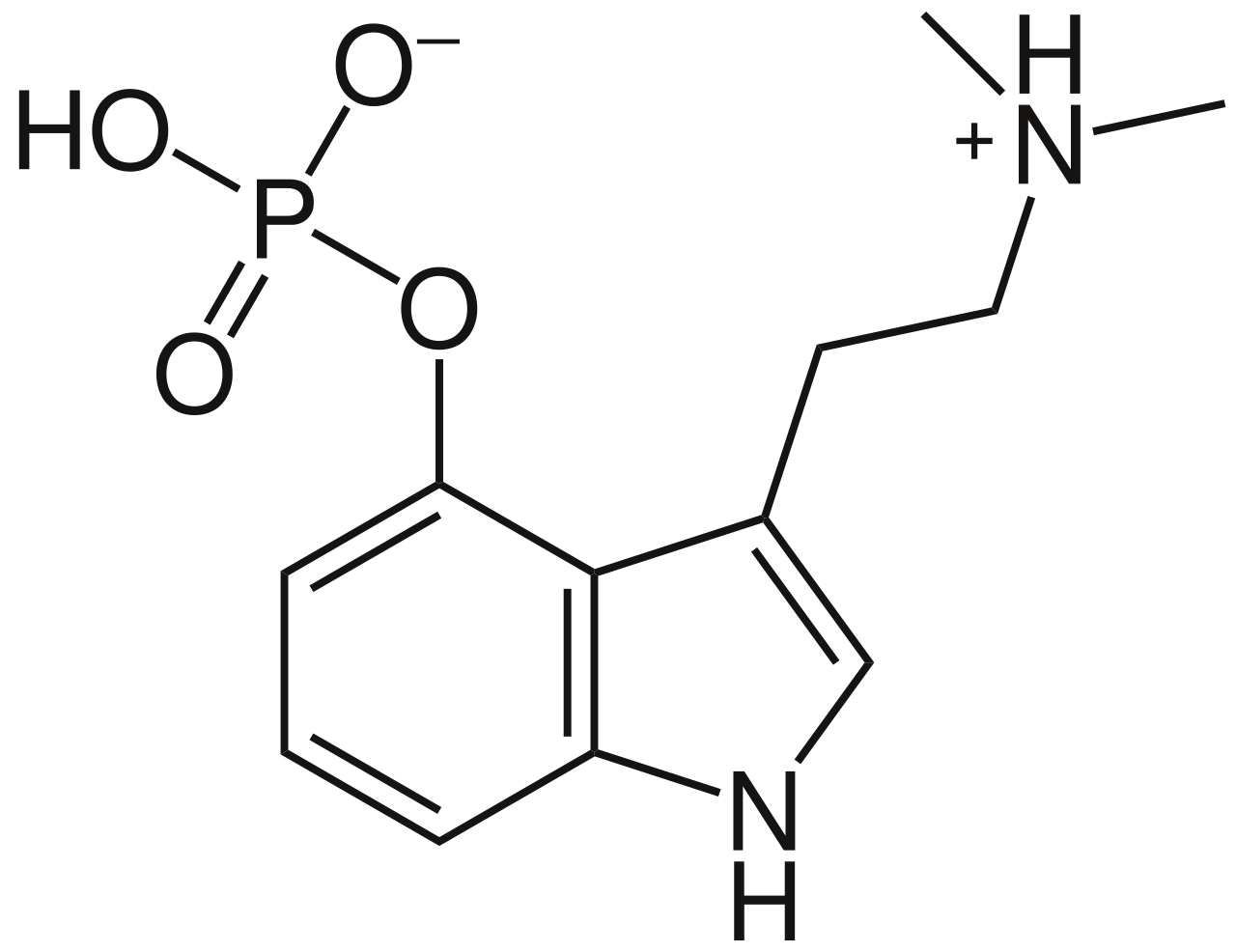
The pharmacology of psychedelics is complex and not fully understood. Psychedelics work by altering the activity of neurotransmitters such as serotonin and dopamine in the brain. This can lead to changes in perception, mood, and thought. Psychedelics can be classified into different categories based on their chemical structure and mechanism of action. Serotonergic psychedelics such as LSD and psilocybin work by activating serotonin receptors in the brain. Dopaminergic psychedelics such as MDMA work by activating dopamine receptors in the brain.
👥 Influence of Psychedelics on Art and Music
The influence of psychedelics on art and music is profound. Psychedelics have been a source of inspiration for many famous artists and musicians, and have played a significant role in shaping culture and society. Psychedelic art is characterized by its use of bright colors, abstract patterns, and experimental techniques. Psychedelic music is characterized by its use of experimental sounds, distorted guitars, and hypnotic rhythms. Psychedelic festivals and raves are popular events that celebrate psychedelic culture and provide a space for people to connect and express themselves.
📚 Contemporary Research and Debates
Contemporary research and debates surrounding psychedelics are ongoing. Psychedelic research is a rapidly growing field, with studies exploring the potential benefits and risks of psychedelic use. Psychedelic therapy is being explored as a potential treatment for mental health disorders such as depression and anxiety. However, there are also concerns about the potential risks and contraindications of psychedelic use, and the need for further research to fully understand the effects of psychedelics. Psychedelic policy is also a topic of debate, with some arguing that psychedelics should be legalized and regulated, while others argue that they should remain illegal.
🔮 Future of Psychedelic Research
The future of psychedelic research is exciting and uncertain. Psychedelic research is ongoing, and it is likely that we will see more therapeutic applications of psychedelics in the future. Psychedelic therapy is being explored as a potential treatment for mental health disorders such as depression and anxiety. However, there are also concerns about the potential risks and contraindications of psychedelic use, and the need for further research to fully understand the effects of psychedelics. Psychedelic policy is also a topic of debate, with some arguing that psychedelics should be legalized and regulated, while others argue that they should remain illegal.
🌐 Global Perspectives on Psychedelics
Global perspectives on psychedelics vary widely. Psychedelics have been used in traditional healing practices and spiritual rituals for centuries, and have played a significant role in shaping culture and society. However, psychedelics are also often associated with counterculture and social justice movements, and have been the subject of controversy and debate. Psychedelic policy varies widely from country to country, with some countries having more permissive laws and regulations surrounding psychedelic use. Global psychedelic community is a growing network of individuals and organizations working to promote the safe and responsible use of psychedelics.
🚫 Controversies and Criticisms
Controversies and criticisms surrounding psychedelics are ongoing. Psychedelics have been associated with counterculture and social justice movements, and have been the subject of controversy and debate. Some argue that psychedelics are a threat to public health and safety, while others argue that they have the potential to be therapeutic and transformative. Psychedelic policy is also a topic of debate, with some arguing that psychedelics should be legalized and regulated, while others argue that they should remain illegal.
Key Facts
- Year
- 1957
- Origin
- Greek words 'psyche' and 'delos'
- Category
- Psychology, Pharmacology, and Culture
- Type
- Concept
Frequently Asked Questions
What are psychedelics?
Psychedelics are a subclass of hallucinogenic drugs whose primary effect is to trigger non-ordinary mental states and a perceived 'expansion of consciousness'. Psychedelics have been used for centuries in traditional healing practices and spiritual rituals, and have recently gained attention for their potential therapeutic benefits. Psychedelic therapy is a growing field of research, with studies exploring the use of psychedelics in the treatment of mental health disorders such as depression and anxiety.
What are the risks and contraindications of psychedelic use?
While psychedelics have the potential to be therapeutic, they also carry risks and contraindications. Psychedelics can exacerbate underlying mental health conditions such as anxiety and depression, and can also lead to psychosis in rare cases. Psychedelics can also interact with other medications and have negative effects on physical health. It is essential to approach psychedelic use with caution and to consult with a medical professional before using psychedelics.
What is the current state of psychedelic research?
Contemporary research and debates surrounding psychedelics are ongoing. Psychedelic research is a rapidly growing field, with studies exploring the potential benefits and risks of psychedelic use. Psychedelic therapy is being explored as a potential treatment for mental health disorders such as depression and anxiety. However, there are also concerns about the potential risks and contraindications of psychedelic use, and the need for further research to fully understand the effects of psychedelics.
What is the future of psychedelic research?
The future of psychedelic research is exciting and uncertain. Psychedelic research is ongoing, and it is likely that we will see more therapeutic applications of psychedelics in the future. Psychedelic therapy is being explored as a potential treatment for mental health disorders such as depression and anxiety. However, there are also concerns about the potential risks and contraindications of psychedelic use, and the need for further research to fully understand the effects of psychedelics.
What are the cultural significance of psychedelics?
The cultural significance of psychedelics is profound. Psychedelics have been used in traditional healing practices and spiritual rituals for centuries, and have played a significant role in shaping culture and society. Psychedelics have also been a source of inspiration for art and music, with many famous artists and musicians citing psychedelics as a source of creative inspiration.