
Contents
- 💡 Introduction to Reason
- 📚 Historical Development of Reason
- 🔍 The Role of Reason in Critical Thinking
- 📊 Reason and Rationality: A Distinction
- 👥 The Social Aspect of Reason
- 🔬 The Scientific Method and Reason
- 📝 Language and Reason
- 🤔 Challenges to Reason
- 📚 Contemporary Debates on Reason
- 🔮 The Future of Reason
- 📊 Measuring Reason: Vibe Scores and Cultural Energy
- 👀 Conclusion: The Enduring Importance of Reason
- Frequently Asked Questions
- Related Topics
Overview
Reason, the cognitive faculty for rational thought, has been a cornerstone of human progress, guiding scientific inquiry, philosophical debate, and ethical decision-making. From ancient Greek philosophers like Aristotle and Plato to modern thinkers such as Immanuel Kant and Friedrich Nietzsche, the concept of reason has evolved, incorporating various perspectives and critiques. The Enlightenment, with its emphasis on reason as a universal solvent for social and political ills, marked a significant milestone in the history of reason. However, challenges from skeptics, existentialists, and postmodernists have questioned the universality and objectivity of reason, highlighting its cultural and historical contingencies. Despite these tensions, reason remains a vital tool for navigating the complexities of the modern world, with its applications in fields as diverse as artificial intelligence, legal theory, and environmental ethics. As we move forward, the ongoing dialogue between reason and its critics will continue to shape our understanding of knowledge, truth, and human flourishing.
💡 Introduction to Reason
Reason is the capacity to consciously apply logic by drawing valid conclusions from new or existing information, with the aim of seeking truth. This concept is closely tied to Philosophy and Epistemology, as it is a fundamental aspect of human inquiry. The term 'reason' is often associated with activities considered characteristic of humans, including Religion, Science, Language, and Mathematics. As the philosopher Immanuel Kant once said, 'Reason is the faculty that enables us to understand the world around us.'
📚 Historical Development of Reason
The historical development of reason dates back to ancient civilizations, where philosophers such as Plato and Aristotle laid the groundwork for the concept. The term 'reason' has its roots in the Latin word 'ratio,' meaning 'reckoning' or 'calculation.' Over time, the concept of reason has evolved, with significant contributions from thinkers like René Descartes and John Locke. As we explore the history of reason, we must also consider the influence of Culture and Society on its development.
🔍 The Role of Reason in Critical Thinking
The role of reason in critical thinking is multifaceted. It involves the ability to analyze information, evaluate evidence, and draw logical conclusions. This process is essential for making informed decisions and navigating complex problems. As the Critical Thinking movement emphasizes, reason is a crucial component of effective decision-making. By applying reason, we can distinguish between fact and fiction, and make more informed choices. However, we must also acknowledge the limitations of reason, as highlighted by David Hume and other philosophers.
📊 Reason and Rationality: A Distinction
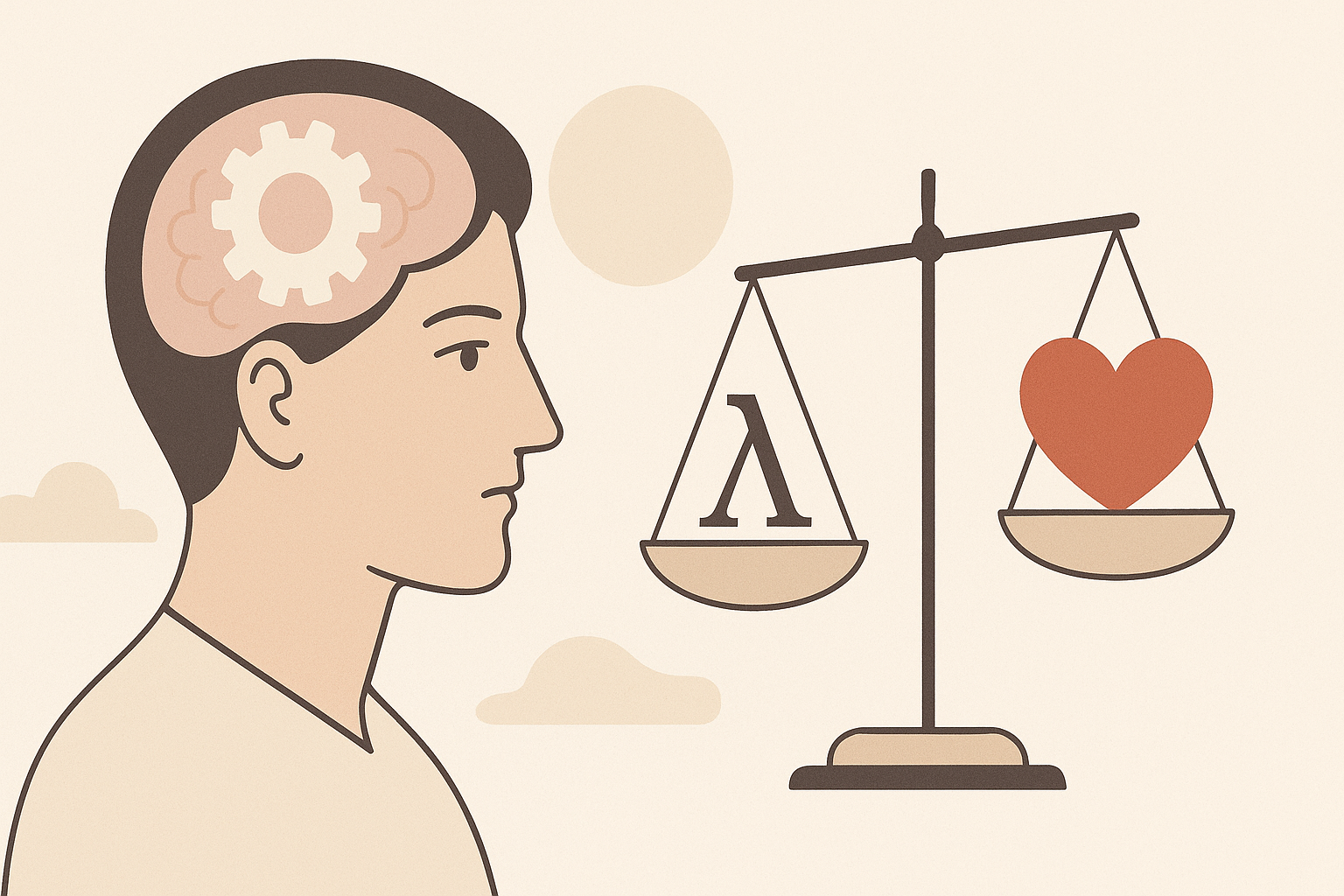
Reason and rationality are often used interchangeably, but there is a subtle distinction between the two. Rationality refers to the application of reason, whereas reason itself is the capacity for logical thought. As the philosopher Martin Heidegger noted, 'Rationality is the application of reason to the world.' This distinction is important, as it highlights the difference between the ability to think logically and the actual act of doing so. We must consider the role of Emotion and Intuition in decision-making, as they can influence our rational thinking.
🔬 The Scientific Method and Reason
The scientific method is a prime example of the application of reason in pursuit of knowledge. By formulating hypotheses, testing them through experimentation, and analyzing the results, scientists demonstrate the power of reason in uncovering the truth. As the scientist Isaac Newton once said, 'The scientific method is a way of using reason to understand the natural world.' The scientific method is a systematic approach to problem-solving, and it relies heavily on the principles of reason. We must consider the role of Technology in facilitating scientific progress and the application of reason.
📝 Language and Reason
Language plays a vital role in the expression and development of reason. The ability to communicate complex ideas and arguments is essential for the advancement of knowledge. As the philosopher Ludwig Wittgenstein noted, 'Language is the vehicle of reason.' The relationship between language and reason is complex, and it has been the subject of much debate among philosophers and linguists. We must consider the potential for Miscommunication and the importance of clear expression in reasoning.
🤔 Challenges to Reason
Despite its importance, reason is not without its challenges. The presence of Cognitive Bias and Logical Fallacy can undermine our ability to reason effectively. Additionally, the influence of Emotion and Intuition can lead to irrational decision-making. As the philosopher Friedrich Nietzsche once said, 'Reason is a tool, but it is not the only tool.' We must be aware of these challenges and strive to overcome them in our pursuit of knowledge and understanding.
📚 Contemporary Debates on Reason
Contemporary debates on reason continue to shape our understanding of this complex concept. The Postmodernism movement, for example, has challenged traditional notions of reason and objective truth. As the philosopher Jean-François Lyotard noted, 'The postmodern condition is characterized by a crisis of reason.' Other debates, such as the Science vs. Religion controversy, highlight the ongoing tension between reason and faith. We must consider the role of Power and Politics in shaping our understanding of reason and its application.
🔮 The Future of Reason
As we look to the future, it is clear that reason will continue to play a vital role in shaping human knowledge and understanding. The development of Artificial Intelligence and other technologies will likely have a significant impact on our ability to reason and make decisions. As the futurist Ray Kurzweil once said, 'The future of reason is closely tied to the development of artificial intelligence.' We must consider the potential benefits and risks of these technologies and strive to ensure that they are used in a way that promotes human flourishing.
📊 Measuring Reason: Vibe Scores and Cultural Energy
The concept of Vibe Scores and cultural energy can provide insight into the cultural significance of reason. By analyzing the Vibe Scores of various concepts and ideas, we can gain a better understanding of their impact on society and culture. As the cultural critic Slavoj Žižek noted, 'The Vibe Score is a measure of a concept's cultural energy.' We must consider the role of Media and Popular Culture in shaping our understanding of reason and its application.
👀 Conclusion: The Enduring Importance of Reason
In conclusion, reason is a complex and multifaceted concept that plays a vital role in human knowledge and understanding. As we continue to navigate the complexities of the modern world, it is essential that we prioritize the development and application of reason. By doing so, we can promote critical thinking, challenge assumptions, and strive for a deeper understanding of the world around us. As the philosopher John Dewey once said, 'Reason is the keystone of critical thinking, and critical thinking is the keystone of a democratic society.'
Key Facts
- Year
- 1689
- Origin
- Ancient Greece, with significant contributions from European Enlightenment thinkers
- Category
- Philosophy and Epistemology
- Type
- Concept
Frequently Asked Questions
What is the definition of reason?
Reason is the capacity to consciously apply logic by drawing valid conclusions from new or existing information, with the aim of seeking truth. It is a fundamental aspect of human inquiry and is closely tied to philosophy and epistemology. As the philosopher Immanuel Kant once said, 'Reason is the faculty that enables us to understand the world around us.' We must consider the role of Culture and Society in shaping our understanding of reason.
How does reason relate to rationality?
Reason and rationality are often used interchangeably, but there is a subtle distinction between the two. Rationality refers to the application of reason, whereas reason itself is the capacity for logical thought. As the philosopher Martin Heidegger noted, 'Rationality is the application of reason to the world.' We must consider the role of Emotion and Intuition in decision-making, as they can influence our rational thinking.
What is the role of language in reason?
Language plays a vital role in the expression and development of reason. The ability to communicate complex ideas and arguments is essential for the advancement of knowledge. As the philosopher Ludwig Wittgenstein noted, 'Language is the vehicle of reason.' We must consider the potential for Miscommunication and the importance of clear expression in reasoning.
How does reason relate to science?
The scientific method is a prime example of the application of reason in pursuit of knowledge. By formulating hypotheses, testing them through experimentation, and analyzing the results, scientists demonstrate the power of reason in uncovering the truth. As the scientist Isaac Newton once said, 'The scientific method is a way of using reason to understand the natural world.' We must consider the role of Technology in facilitating scientific progress and the application of reason.
What are some challenges to reason?
Despite its importance, reason is not without its challenges. The presence of Cognitive Bias and Logical Fallacy can undermine our ability to reason effectively. Additionally, the influence of Emotion and Intuition can lead to irrational decision-making. As the philosopher Friedrich Nietzsche once said, 'Reason is a tool, but it is not the only tool.' We must be aware of these challenges and strive to overcome them in our pursuit of knowledge and understanding.
How does reason relate to critical thinking?
Reason is a crucial component of critical thinking. Critical thinking involves the ability to analyze information, evaluate evidence, and draw logical conclusions. As the Critical Thinking movement emphasizes, reason is essential for making informed decisions and navigating complex problems. We must consider the role of Education and Critical Pedagogy in promoting critical thinking and the development of reason.
What is the future of reason?
As we look to the future, it is clear that reason will continue to play a vital role in shaping human knowledge and understanding. The development of Artificial Intelligence and other technologies will likely have a significant impact on our ability to reason and make decisions. As the futurist Ray Kurzweil once said, 'The future of reason is closely tied to the development of artificial intelligence.' We must consider the potential benefits and risks of these technologies and strive to ensure that they are used in a way that promotes human flourishing.