US-Iran Talks to Resume in Pakistan Amid Tensions
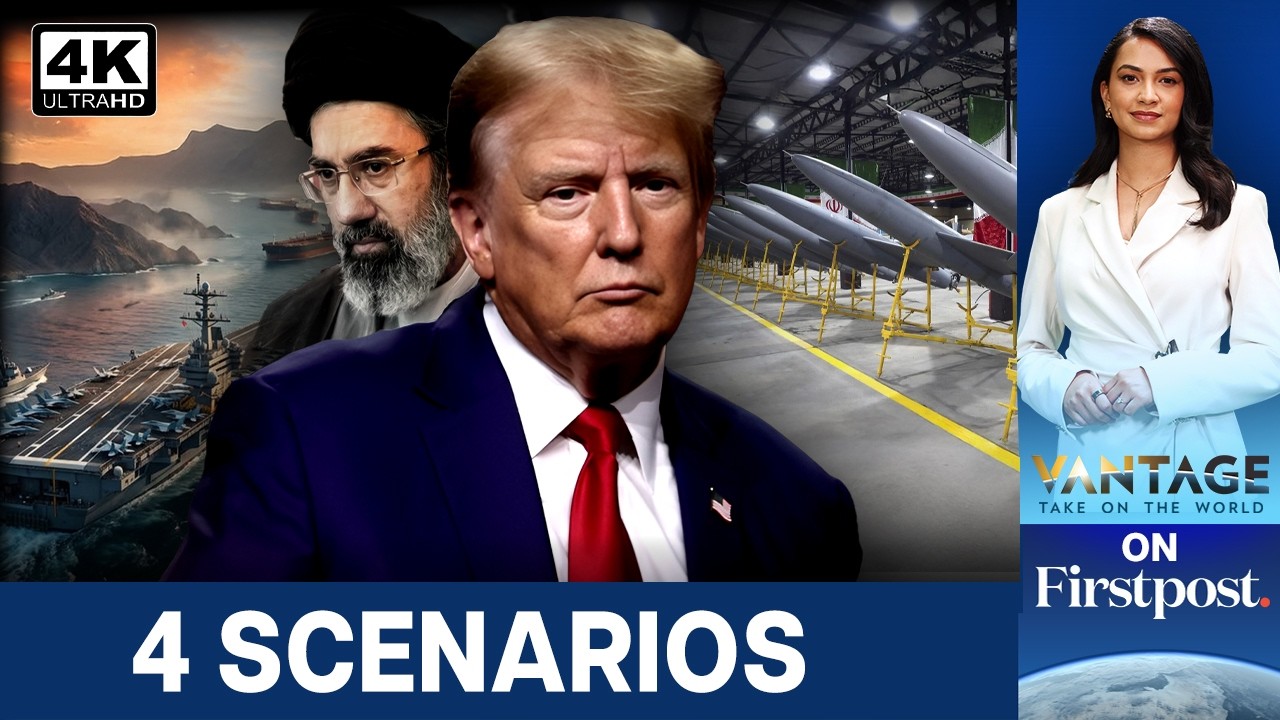
The **United States** and **Iran** are set to continue peace talks in **Pakistan** on Monday, as announced by **President Donald Trump**. The negotiations aim t
Summary
The **United States** and **Iran** are set to continue peace talks in **Pakistan** on Monday, as announced by **President Donald Trump**. The negotiations aim to address long-standing issues between the two nations, including **nuclear proliferation** and **regional security**. Despite ongoing tensions, the talks are seen as a crucial step towards resolving the conflict. The **Iran nuclear deal**, also known as the **Joint Comprehensive Plan of Action (JCPOA)**, has been a major point of contention between the US and Iran. The talks in Pakistan will be closely watched by the international community, including **European Union** leaders and **United Nations** officials. The **Middle East** region is likely to be impacted by the outcome of these negotiations, with **Israel** and **Saudi Arabia** being key players in the region.
Key Takeaways
- The US and Iran will continue peace talks in Pakistan on Monday
- The talks will address issues including nuclear proliferation and regional security
- The Iranian nuclear deal (JCPOA) has been a major point of contention between the US and Iran
- The outcome of the talks is uncertain, and the potential for military conflict remains a concern
- The international community, including the European Union and United Nations, will be watching the negotiations closely
Balanced Perspective
The US-Iran talks in Pakistan are a complex and sensitive issue, with multiple factors at play. While the continuation of negotiations is a positive step, it is unclear what the outcome will be. The **Iranian government** has been cautious in its approach, and the **US administration** has faced criticism for its handling of the situation. The **Pakistani government** is playing a crucial role in facilitating the talks, but its own interests and priorities may influence the outcome. The international community, including **China** and **Russia**, will be watching the negotiations closely, as the outcome will have implications for **global security** and the **balance of power** in the region.
Optimistic View
The continuation of US-Iran talks in Pakistan is a positive development, as it shows that both sides are committed to finding a peaceful resolution. The **diplomatic efforts** of the US and Iranian governments, facilitated by **Pakistani** officials, demonstrate a willingness to engage in constructive dialogue. This could lead to a breakthrough in the **nuclear negotiations**, potentially paving the way for a more stable and secure **Middle East**. The involvement of **European Union** leaders and **United Nations** officials could also help to build trust and facilitate a mutually beneficial agreement. With the support of the international community, the US and Iran may be able to find common ground and work towards a lasting peace.
Critical View
The US-Iran talks in Pakistan are unlikely to yield significant results, given the deep-seated differences between the two nations. The **Iranian nuclear program** remains a major point of contention, and the **US sanctions** have had a devastating impact on the Iranian economy. The **Pakistani government** may not be able to facilitate a breakthrough, and the **US administration** may be unwilling to make the necessary concessions. The **Israeli government** and **Saudi Arabian government** may also try to undermine the negotiations, as they have significant interests in the region. The outcome of the talks is uncertain, and the potential for **military conflict** remains a concern.
Source
Originally reported by Politico