
Contents
- 🏗️ Introduction to Building Materials
- 🌿 Natural Building Materials
- 🏭 Man-Made Building Materials
- 🔨 Specialty Trades and Construction
- 🏠 Habitat and Structure Composition
- 🌈 Sustainability and Environmental Impact
- 📊 Economic Factors and Industry Trends
- 🔍 Innovations and Future Developments
- 👥 Key Players and Industry Leaders
- 🤝 Global Cooperation and Standardization
- 📚 Education and Research Initiatives
- 🌐 Conclusion and Future Outlook
- Frequently Asked Questions
- Related Topics
Overview
Building materials have been the backbone of human progress, shaping our environments and cultures. The earliest civilizations, such as the Egyptians and Greeks, utilized locally sourced materials like stone, wood, and clay to construct monumental structures. The Industrial Revolution introduced new materials like steel and concrete, which transformed urban landscapes. Today, the building materials industry is shifting towards sustainability, with a focus on recycled materials, energy efficiency, and reduced carbon footprints. The use of innovative materials like cross-laminated timber, bamboo, and low-carbon concrete is on the rise, with companies like IKEA and Google incorporating these materials into their designs. As the world grapples with climate change, the development of sustainable building materials will play a crucial role in reducing greenhouse gas emissions and creating resilient communities, with the global market for green building materials projected to reach $10.3 billion by 2025, according to a report by Grand View Research.
🏗️ Introduction to Building Materials
The use of building materials dates back to ancient times, with evidence of Clay and Rock being used in the construction of early shelters and structures. As human civilization evolved, so did the development of new building materials, such as Wood and Sand. Today, the construction industry relies on a wide range of materials, from naturally occurring substances to man-made products. The choice of building material depends on various factors, including Climate, Budget, and Aesthetics. For instance, Insulation materials like fiberglass and foam board are used to reduce heat transfer and energy consumption. Additionally, Plumbing materials like copper and PVC pipes are used to distribute water and gas throughout buildings.
🌿 Natural Building Materials
Natural building materials have been used for centuries, and their use continues to be popular today. Bamboo, for example, is a highly renewable and sustainable resource that can be used for a variety of applications, including Flooring and Wall construction. Other natural materials, such as Straw and Earth, are also being used in innovative ways to create sustainable and energy-efficient buildings. The use of natural materials can also provide a unique aesthetic appeal, as seen in the use of Stone and Brick in traditional architecture. Furthermore, Carpentry techniques are used to work with natural materials like wood, creating beautiful and functional structures.
🏭 Man-Made Building Materials
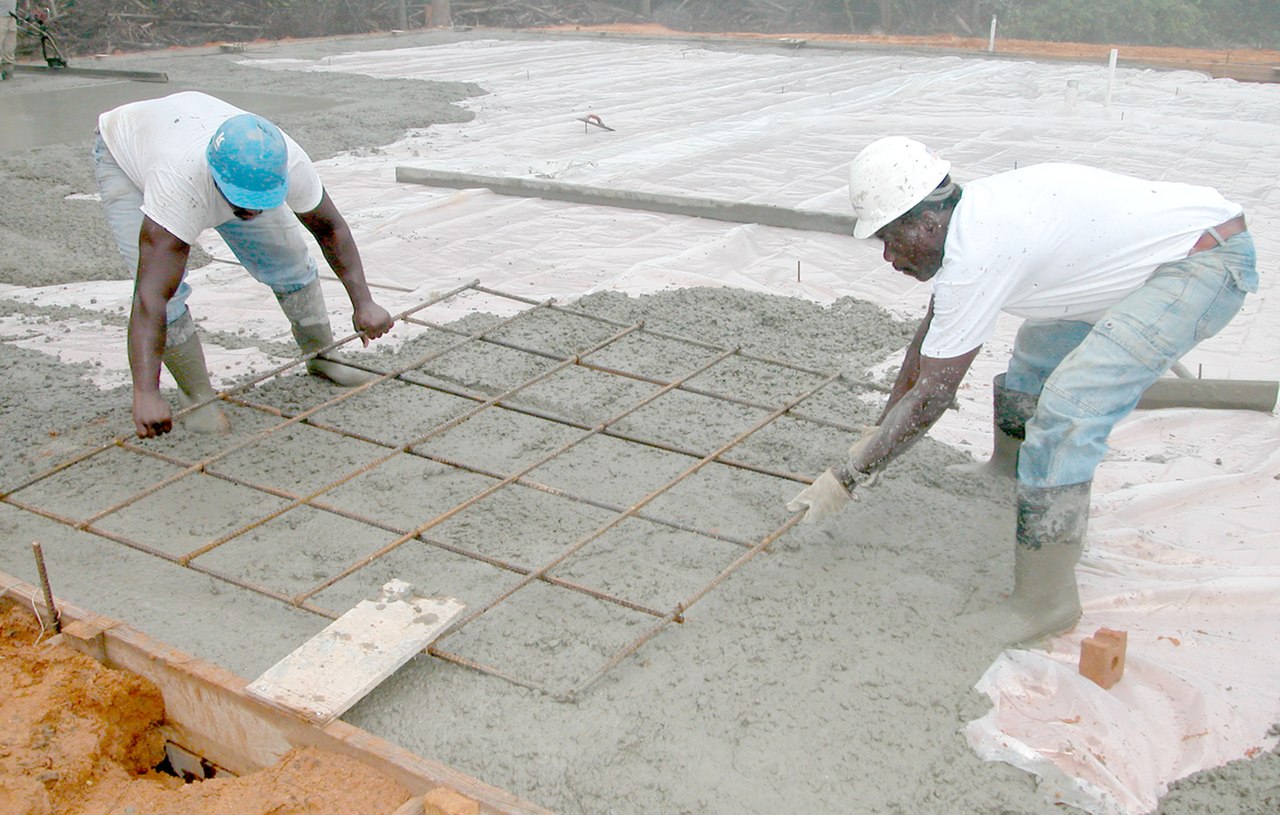
Man-made building materials have revolutionized the construction industry, offering a wide range of benefits, including increased durability and resistance to natural disasters. Concrete, for example, is a popular building material that can be used for foundations, walls, and Roofing. Other man-made materials, such as Steel and Aluminum, are used in a variety of applications, including Framing and Exteriors. The development of new materials, such as Fiber Cement and Engineered Wood, has also expanded the possibilities for builders and architects. Moreover, Insulation materials like spray foam and rigid foam board are used to reduce energy consumption and improve building performance.
🔨 Specialty Trades and Construction
The construction industry is segmented into specific specialty trades, each with its own set of skills and materials. Carpentry, for example, involves the use of Wood and other materials to create structures and fixtures. Insulation work, on the other hand, involves the use of materials like Fiberglass and Foam Board to reduce heat transfer and energy consumption. Other trades, such as Plumbing and Roofing, require the use of specialized materials and techniques. The use of Building Information Modeling (BIM) software has also improved collaboration and communication among different trades and stakeholders.
🏠 Habitat and Structure Composition
The composition of habitats and structures, including homes, is a complex process that involves the use of a wide range of building materials. Foundation materials, such as Concrete and Masonry, provide the base for a building, while Wall materials, such as Wood and Drywall, provide the structure and insulation. Roofing materials, such as Asphalt Shingle and Clay Tile, protect the building from the elements, and Flooring materials, such as Hardwood and Carpet, provide a comfortable and durable surface. Additionally, Sustainable Building practices and materials, such as Recycled Materials and Low VOC Paint, are becoming increasingly popular.
🌈 Sustainability and Environmental Impact
The use of building materials has a significant impact on the environment, and sustainability is becoming an increasingly important consideration in the construction industry. Green Building practices and materials, such as Solar Panel and Wind Turbine, can help reduce energy consumption and minimize waste. The use of Recycled Materials and Low VOC Paint can also help reduce the environmental impact of building construction. Furthermore, Energy Efficient buildings can be achieved through the use of materials like Insulation and Double Glazing. The LEED certification is a widely recognized standard for sustainable building practices.
📊 Economic Factors and Industry Trends
The construction industry is a significant contributor to the global economy, and the use of building materials is a major factor in the cost of construction. Material Costs can vary widely, depending on the type and quality of the material, as well as the location and availability of the material. Labor Costs are also a significant factor, and the use of specialized materials and techniques can require highly skilled and trained workers. The Construction Industry is also subject to a range of regulations and standards, including Building Codes and Zoning Laws. The use of Building Management Systems (BMS) can also help optimize energy consumption and reduce costs.
🔍 Innovations and Future Developments
The construction industry is constantly evolving, with new materials and technologies being developed all the time. Innovative Materials, such as Nanomaterials and Advanced Composites, are being used to create stronger, lighter, and more sustainable buildings. Building Information Modeling (BIM) software is also being used to improve collaboration and communication among different trades and stakeholders. The use of Drones and Robotics is also becoming more prevalent in the construction industry, improving efficiency and reducing labor costs. Additionally, Artificial Intelligence (AI) and Machine Learning (ML) are being applied to improve building design, construction, and operation.
👥 Key Players and Industry Leaders
The construction industry is a global industry, with companies and organizations from all over the world playing a significant role. Industry Leaders, such as Bechtel and Jacobs, are major players in the construction industry, and are involved in a wide range of projects, from Infrastructure development to Commercial Construction. Research Institutions, such as MIT and Stanford, are also playing a significant role in the development of new materials and technologies. The International Code Council (ICC) is a prominent organization that develops and maintains building codes and standards.
🤝 Global Cooperation and Standardization
Global cooperation and standardization are essential in the construction industry, as they help to ensure that buildings are safe, sustainable, and meet the needs of their occupants. International Building Codes and Standards are being developed to provide a framework for the construction industry, and to help ensure that buildings are designed and constructed to meet the needs of their occupants. The World Green Building Council (WGBC) is a global organization that promotes sustainable building practices and provides a framework for green building certification.
📚 Education and Research Initiatives
Education and research are critical components of the construction industry, as they help to ensure that builders and architects have the skills and knowledge they need to design and construct safe, sustainable, and functional buildings. Architecture Schools and Engineering Programs are providing students with the skills and knowledge they need to succeed in the construction industry. Research Initiatives, such as the National Science Foundation (NSF), are also helping to advance the field of construction and building materials. The American Society of Civil Engineers (ASCE) is a prominent organization that provides education, research, and certification for civil engineers.
🌐 Conclusion and Future Outlook
In conclusion, the use of building materials is a complex and multifaceted process that involves the use of a wide range of materials, from naturally occurring substances to man-made products. As the construction industry continues to evolve, it is likely that new materials and technologies will be developed, and that the use of building materials will become even more sustainable and efficient. The future of building materials is likely to be shaped by advances in Materials Science and Technology, as well as by growing concerns about Sustainability and Environmental Impact. As the world's population continues to grow, the demand for sustainable and efficient building materials will only continue to increase.
Key Facts
- Year
- 2022
- Origin
- Ancient Mesopotamia, circa 4000 BCE
- Category
- Architecture and Construction
- Type
- Concept
Frequently Asked Questions
What are the most common building materials used in construction?
The most common building materials used in construction include Concrete, Wood, Steel, and Brick. These materials are widely available and can be used for a variety of applications, including Foundation, Wall, and Roofing. The choice of building material depends on various factors, including Climate, Budget, and Aesthetics. For instance, Insulation materials like fiberglass and foam board are used to reduce heat transfer and energy consumption.
What are the benefits of using sustainable building materials?
The benefits of using sustainable building materials include reduced Energy Consumption, minimized Waste, and improved Indoor Air Quality. Sustainable building materials, such as Recycled Materials and Low VOC Paint, can also help reduce the environmental impact of building construction. Furthermore, Green Building practices and materials, such as Solar Panel and Wind Turbine, can help reduce energy consumption and minimize waste.
What is the future of building materials?
The future of building materials is likely to be shaped by advances in Materials Science and Technology, as well as by growing concerns about Sustainability and Environmental Impact. New materials and technologies, such as Nanomaterials and Advanced Composites, are being developed to create stronger, lighter, and more sustainable buildings. The use of Building Information Modeling (BIM) software and Drones is also becoming more prevalent in the construction industry, improving efficiency and reducing labor costs.
What are the most important factors to consider when selecting building materials?
The most important factors to consider when selecting building materials include Durability, Sustainability, Cost, and Aesthetics. The choice of building material depends on various factors, including Climate, Budget, and Functionality. For instance, Insulation materials like fiberglass and foam board are used to reduce heat transfer and energy consumption, while Plumbing materials like copper and PVC pipes are used to distribute water and gas throughout buildings.
What are the benefits of using natural building materials?
The benefits of using natural building materials include improved Indoor Air Quality, reduced Energy Consumption, and enhanced Aesthetics. Natural building materials, such as Wood and Stone, can also provide a unique aesthetic appeal and can be used to create sustainable and energy-efficient buildings. Furthermore, Green Building practices and materials, such as Solar Panel and Wind Turbine, can help reduce energy consumption and minimize waste.
What are the most common types of building materials used in different climates?
The most common types of building materials used in different climates include Insulation materials like fiberglass and foam board, which are used to reduce heat transfer and energy consumption in cold climates. In hot climates, Cooling Systems like Air Conditioning and Evaporative Cooling are used to reduce the temperature and improve indoor air quality. In temperate climates, Sustainable Building practices and materials, such as Recycled Materials and Low VOC Paint, are used to reduce the environmental impact of building construction.
What are the benefits of using recycled building materials?
The benefits of using recycled building materials include reduced Waste, minimized Energy Consumption, and improved Sustainability. Recycled building materials, such as Recycled Glass and Recycled Plastic, can also help reduce the environmental impact of building construction. Furthermore, Green Building practices and materials, such as Solar Panel and Wind Turbine, can help reduce energy consumption and minimize waste.