
Contents
- 🔬 Introduction to Cancer
- 📊 Cancer Statistics and Trends
- 👨🔬 Understanding Cancer Biology
- 🔍 Types of Cancer
- 🏥 Cancer Diagnosis and Staging
- 💊 Cancer Treatment Options
- 🌎 Global Cancer Burden and Disparities
- 🔬 Cancer Research and Future Directions
- 💻 Cancer and Technology
- 👥 Cancer Support and Survivorship
- Frequently Asked Questions
- Related Topics
Overview
Cancer, a term that encompasses over 100 distinct diseases, is a leading cause of death worldwide, accounting for approximately 10 million fatalities in 2020, according to the World Health Organization (WHO). The disease arises from the uncontrolled growth and spread of abnormal cells, with risk factors including genetic predisposition, environmental exposures, and lifestyle choices. Notable figures such as Siddhartha Mukherjee, author of 'The Emperor of All Maladies,' and James Allison, Nobel laureate and immunotherapy pioneer, have significantly advanced our understanding of cancer. Despite significant advancements in treatment options, including targeted therapies and immunotherapies, cancer remains a highly contested and debated topic, with controversy surrounding issues like screening efficacy and the role of lifestyle factors. The global cancer burden is projected to increase by 60% over the next decade, with low- and middle-income countries shouldering a disproportionate share of the burden. As researchers like Jennifer Doudna and David Liu continue to push the boundaries of cancer research, the prospect of novel therapies and prevention strategies offers a glimmer of hope in the ongoing fight against this relentless foe.
🔬 Introduction to Cancer
Cancer is a complex and multifaceted group of diseases that affects millions of people worldwide. According to the Cancer Statistics report, over 100 types of cancers affect humans, each with its unique characteristics and challenges. The World Health Organization defines cancer as a disease caused by uncontrolled cell growth, resulting in tumors with the potential to invade or spread to other parts of the body. To better understand cancer, it's essential to explore the Biology of Cancer and the various Types of Cancer that exist. For instance, Breast Cancer is one of the most common types of cancer affecting women, while Lung Cancer is a leading cause of cancer deaths worldwide.
📊 Cancer Statistics and Trends
The statistics surrounding cancer are staggering. According to the National Cancer Institute, over 1.8 million new cancer cases are diagnosed in the United States each year, resulting in over 600,000 deaths. The Cancer Research Institute reports that the global cancer burden is expected to increase by 50% by 2030, with Low- and Middle-Income Countries being disproportionately affected. To combat this growing burden, it's essential to invest in Cancer Research and improve access to Cancer Treatment options, such as Immunotherapy and Targeted Therapy. Furthermore, understanding the Epidemiology of Cancer can help identify high-risk populations and inform prevention strategies.
👨🔬 Understanding Cancer Biology
At its core, cancer is a disease of uncontrolled cell growth, resulting from genetic mutations that disrupt normal cellular function. The Cell Biology of cancer is complex, involving multiple cellular pathways and mechanisms. To understand cancer biology, it's essential to explore the Genetics of Cancer and the various Cancer Signaling Pathways that contribute to tumor development and progression. For example, the PI3K/AKT Pathway is a key signaling pathway involved in cell growth and survival, and its dysregulation is implicated in various types of cancer. Additionally, the Tumor Microenvironment plays a critical role in shaping the behavior of cancer cells and influencing treatment outcomes.
🔍 Types of Cancer
There are over 100 types of cancers that affect humans, each with its unique characteristics and challenges. Carcinoma, Sarcoma, and Leukemia are just a few examples of the many types of cancer that exist. Understanding the different Types of Cancer is essential for developing effective treatment strategies and improving patient outcomes. For instance, Melanoma is a type of skin cancer that is highly aggressive and requires prompt treatment, while Prostate Cancer is a common type of cancer affecting men that can often be treated with Hormone Therapy. Moreover, the Molecular Subtypes of Cancer can provide valuable information for personalized medicine approaches.
🏥 Cancer Diagnosis and Staging
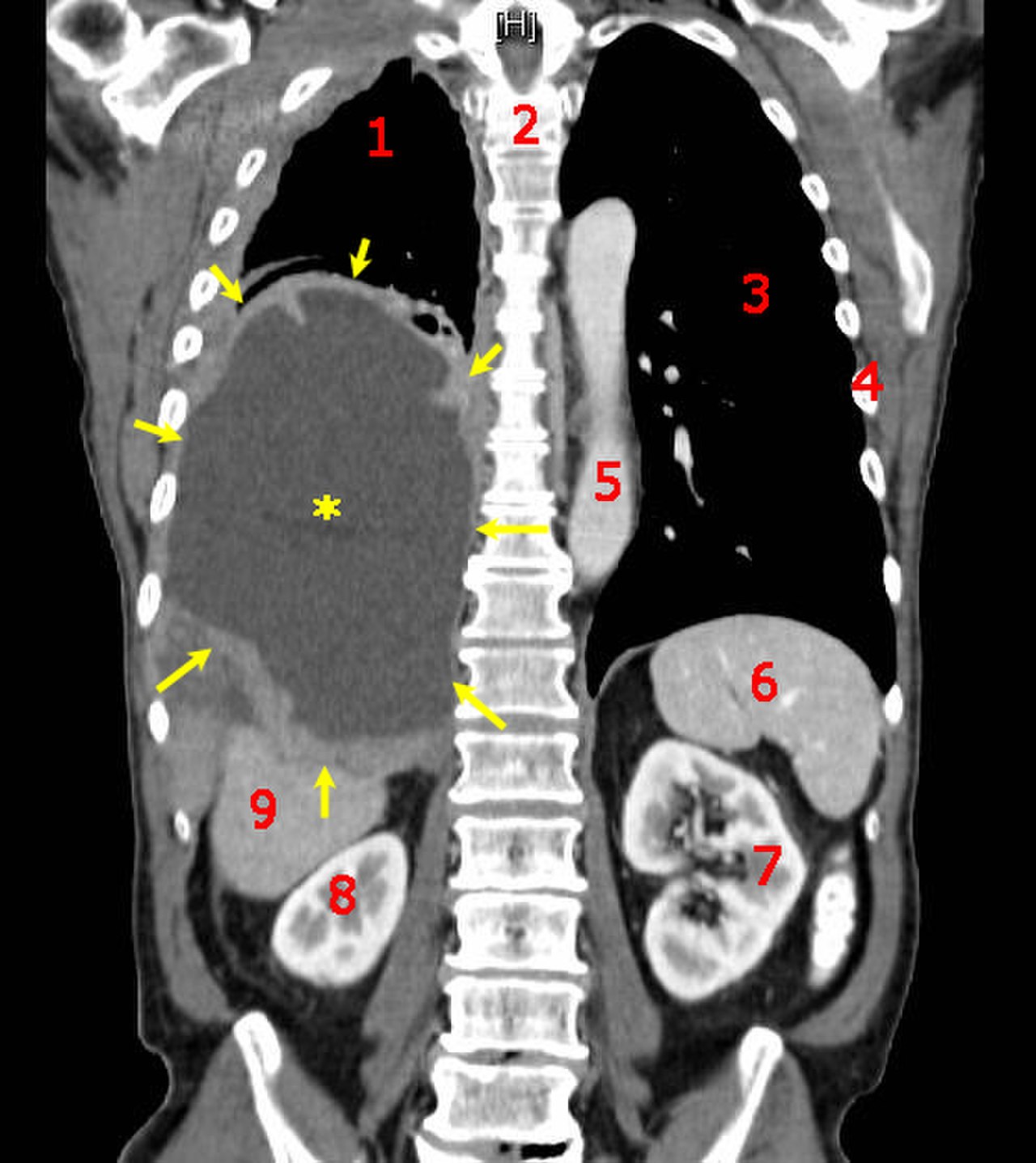
Diagnosing cancer can be a complex and challenging process, involving various Diagnostic Tests and procedures. The Staging of Cancer is critical for determining the extent of disease and guiding treatment decisions. Imaging Techniques, such as CT Scans and MRI Scans, play a vital role in visualizing tumors and assessing disease spread. Additionally, Biopsy and Tissue Markers can provide valuable information for diagnosing and monitoring cancer. For example, Liquid Biopsy is a non-invasive diagnostic test that can detect cancer biomarkers in blood or urine samples.
💊 Cancer Treatment Options
Treating cancer requires a multidisciplinary approach, involving Surgery, Chemotherapy, Radiation Therapy, and other Cancer Therapies. The Goals of Cancer Treatment vary depending on the type and stage of cancer, as well as the individual patient's needs and preferences. Palliative Care is an essential component of cancer care, focusing on relieving symptoms and improving quality of life. Furthermore, Clinical Trials play a critical role in evaluating new cancer treatments and improving patient outcomes. For instance, Immunotherapy Clinical Trials have shown promising results in treating various types of cancer.
🌎 Global Cancer Burden and Disparities
The global cancer burden is a significant public health concern, with Low- and Middle-Income Countries being disproportionately affected. The World Cancer Report highlights the need for increased investment in Cancer Control efforts, including Cancer Prevention and Cancer Screening programs. Global Health Initiatives, such as the World Health Organization's Global Cancer Program, are working to address the global cancer burden and reduce health disparities. Moreover, Cancer Advocacy groups play a critical role in raising awareness and promoting policy changes to support cancer patients and survivors.
🔬 Cancer Research and Future Directions
Cancer research is a rapidly evolving field, with new discoveries and advancements being made regularly. The Cancer Research Institute is a leading organization dedicated to supporting Cancer Research and improving our understanding of cancer biology. Precision Medicine is a promising approach that involves tailoring treatment to an individual's unique genetic and molecular profile. Additionally, Immunotherapy and Targeted Therapy are two examples of innovative cancer treatments that have shown significant promise in clinical trials. For example, CAR-T Cell Therapy is a type of immunotherapy that has revolutionized the treatment of certain types of blood cancers.
💻 Cancer and Technology
Technology is playing an increasingly important role in cancer care, from Telemedicine and Remote Monitoring to Artificial Intelligence and Machine Learning. The Digital Health revolution is transforming the way we diagnose, treat, and manage cancer, with Electronic Health Records and Personalized Medicine becoming increasingly important. Furthermore, Health Informatics and Medical Imaging are critical components of cancer care, enabling healthcare professionals to make more informed decisions and improve patient outcomes.
👥 Cancer Support and Survivorship
Living with cancer can be a challenging and emotional experience, but there are many resources available to support patients and their loved ones. The Cancer Support Community is a vital network of organizations and individuals dedicated to providing Emotional Support and Practical Assistance to those affected by cancer. Cancer Survivorship is a growing field of research, focusing on the unique needs and challenges of cancer survivors. Additionally, Palliative Care and Hospice Care are essential components of cancer care, providing relief from symptoms and improving quality of life.
Key Facts
- Year
- 2020
- Origin
- Ancient civilizations, with descriptions of cancer dating back to the Egyptian Edwin Smith Papyrus (circa 1600 BCE)
- Category
- Health and Medicine
- Type
- Disease
Frequently Asked Questions
What is cancer?
Cancer is a group of diseases involving uncontrolled cell growth, resulting in tumors with the potential to invade or spread to other parts of the body. There are over 100 types of cancers that affect humans, each with its unique characteristics and challenges. For more information, visit the Cancer Basics page.
What are the symptoms of cancer?
The symptoms of cancer vary depending on the type and stage of cancer, but common symptoms include Weight Loss, Fatigue, and Pain. It's essential to consult a healthcare professional if you're experiencing any unusual symptoms. For more information, visit the Cancer Symptoms page.
How is cancer diagnosed?
Cancer diagnosis involves various Diagnostic Tests and procedures, including Imaging Techniques, Biopsy, and Tissue Markers. The Staging of Cancer is critical for determining the extent of disease and guiding treatment decisions. For more information, visit the Cancer Diagnosis page.
What are the treatment options for cancer?
The treatment options for cancer vary depending on the type and stage of cancer, as well as the individual patient's needs and preferences. Surgery, Chemotherapy, Radiation Therapy, and other Cancer Therapies are common treatment options. For more information, visit the Cancer Treatment page.
Can cancer be prevented?
While some cancers cannot be prevented, there are many ways to reduce the risk of developing cancer. Cancer Prevention strategies include Healthy Diet, Regular Exercise, and Cancer Screening. For more information, visit the Cancer Prevention page.
What is the prognosis for cancer patients?
The prognosis for cancer patients varies depending on the type and stage of cancer, as well as the individual patient's overall health and response to treatment. Cancer Survivorship is a growing field of research, focusing on the unique needs and challenges of cancer survivors. For more information, visit the Cancer Prognosis page.
How can I support a loved one with cancer?
Supporting a loved one with cancer can be a challenging and emotional experience, but there are many ways to provide Emotional Support and Practical Assistance. The Cancer Support Community is a vital network of organizations and individuals dedicated to providing support to those affected by cancer. For more information, visit the Cancer Support page.